


Back
What Is Borderline Personality Disorder? Symptoms, Diagnosis & Recovery in India
10 Min Read
Table of contents
- Let’s Talk BPD
- Living With BPD: What You Need To Know
- Definition of Borderline Personality Disorder: What is BPD?
- Signs and Symptoms of Borderline Personality Disorder that you need to know
- Causes of BPD
- How BPD can affect your daily life
- Understanding Emotional Ups and Downs in BPD
- How BPD Can Affect Your Self-Image and Behaviour
- What are BPD Symptoms in Women
- How BPD is different from other Mental Health Conditions
- Understanding BPD Diagnosis and Treatment
- Getting the Right Mental Health Care in India
- Treating BPD
- Challenges in BPD Treatment
- Strategies for Overcoming BPD Treatment Obstacles
- Challenges in BPD Diagnosis and Treatment Planning in India
- Setting the record straight: Busting myths
- Early Intervention and Prevention
- Recovery and Self-Management
- Caregivers need care too
- Hope is always around
- FAQs
- Bibliography:
Table of contents
Let’s Talk BPD
Have you ever wondered what Borderline Personality Disorder really means? You might be surprised to know that it’s more common than many people think. For those living with BPD, everyday life can feel overwhelming. Intense mood swings, impulsive actions, and emotional stress are all part of the experience. So if you or someone you care about is struggling with BPD, it's important to know that lots of people experience this and get through the tough times. We want you to know that with the right support, empathy, and treatment, you can find stability, learn to manage emotions, and build healthier relationships. Recovery is possible, and life can become more balanced, fulfilling, and hopeful. In this blog, we'll guide you through some of the key questions that often come up: What is BPD? Borderline personality disorder causes What are the common BPD symptoms in women? How can BPD affect your daily life? How to diagnose BPD? BPD vs other mental health conditions Treatment and recovery in India
Living With BPD: What You Need To Know
Living with Borderline Personality Disorder (BPD) is like being on an emotional roller coaster ride -intense and overwhelming. You might experience strong emotional pain that affects your everyday life, and many people with BPD also deal with anxiety, depression, eating disorders, or substance use, which can make getting help feel even harder. You’re not alone - many people go through these difficulties. In India, most people with BPD go undiagnosed because of stigma and low awareness, which can leave you and your loved ones feeling isolated. But things are slowly changing. Awareness is growing, and more people are seeking support and therapy for borderline personality disorder. By reducing stigma and improving access to mental health care, we can create a kinder, more understanding environment for everyone living with BPD. Jonathan, 39, has been facing a lot at home and at work lately. Conflicts at work and home, oscillating feelings about his loved ones and colleagues are increasing. There are also moments in which he feels like he can achieve anything, and in a while, he has a self-loathing opinion of himself. He used to have feelings like this as a child sporadically, but these thoughts have been at a peak lately, and he can only numb this by doing something drastic and daring. One day, in a moment of rage, after drinking heavily, he oversped his car and crashed. Due to this incident, he was forced to seek professional help, and after a series of appointments and tests, it was discovered that he has BPD. With proper treatment and a supportive environment, he was able to diagnose and recover at the right time.
Definition of Borderline Personality Disorder: What is BPD?
The term “borderline” reflects a traditional view that the disorder was on the “borderline” of neurosis and psychosis. Borderline Personality Disorder is a mental health condition that affects how a person feels, sees themselves, controls impulses, and builds relationships. It often leads to mood swings and challenges in daily life. It is a pervasive pattern of instability in interpersonal relationships, self-image, along with marked, frequent shifts expression of emotions. With support and tools, a life beyond the symptoms of borderline personality disorder is possible. Get access to the best help with Sukoon.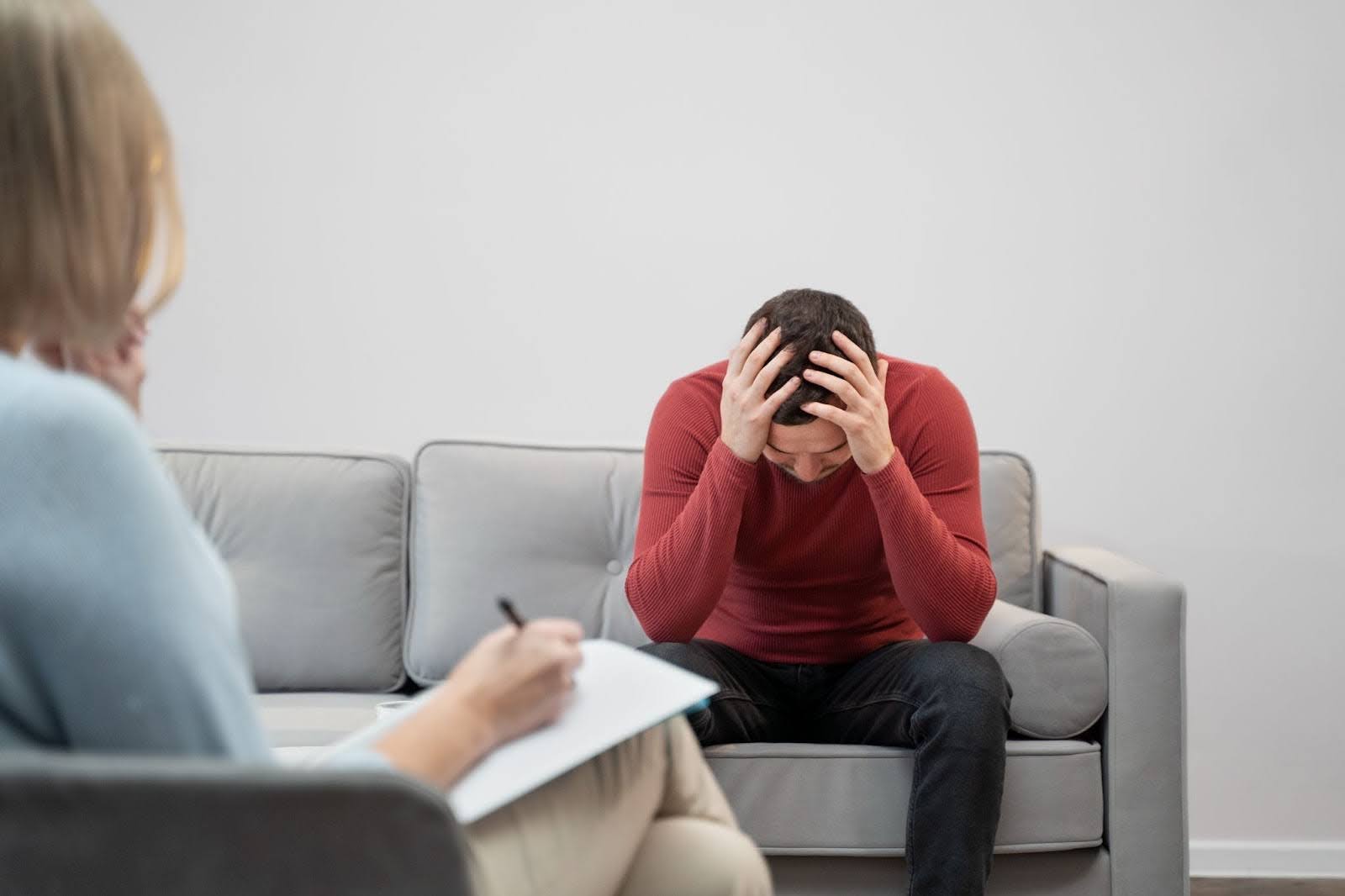
Signs and Symptoms of Borderline Personality Disorder that you need to know
If you’re trying to understand BPD and how it can affect daily life, it helps to know the key signs recognized by mental health professionals in diagnostic manuals like the DSM-5 and ICD-11. People with Borderline Personality Disorder may experience: Intense fear of abandonment, real or imagined, leading to frantic efforts to avoid it. Unstable relationships that shift between idealizing and devaluing others. Unclear or shifting self-image, often feeling unsure about who they are or what they want. Impulsive behaviors such as overspending, substance use, binge eating, or unsafe sex. Extreme emotional swings, with sudden changes from intense joy to anger, sadness, or anxiety. Chronic feelings of emptiness or inner void. Difficulty controlling anger, sometimes leading to physical fights or verbal outbursts Temporary stress-related paranoia or feelings of detachment from reality. Self-harming behaviors or suicidal thoughts, often as a response to emotional pain. These symptoms can make relationships, work, and everyday decisions feel unpredictable or overwhelming.
In the next section, we’ll explore how BPD can be treated and what recovery can look like.
Causes of BPD
Genetics & Brain: Family history and brain differences can affect emotion and impulse control. Childhood & Environment: Trauma, neglect, childhood abuse or unstable family relationships may increase risk. Personality & Emotions: Heightened emotional sensitivity and difficulty handling stress can contribute. Combination: Usually, multiple factors together lead to BPD.
How BPD can affect your daily life
Yes, BPD can be challenging, but with the right support, you can navigate your daily life and thrive. Let's see how this condition can affect your everyday life: Daily Challenges Relationships and Work Impulsivity Emotional Dysregulation But there’s hope. With understanding and expert treatment, individuals with Borderline Personality Disorder can learn skills to manage these challenges and build a more stable, fulfilling life. Take the first step towards better mental health. Talk to a specialist and get clarity on your diagnosis
Borderline Personality Disorder (BPD) can touch many parts of life- work, relationships, and personal routines. You might find it hard to manage emotions, stay focused, or keep up with responsibilities at times.
BPD can make relationships feel unstable, with rapid mood changes, fear of abandonment, and difficulty trusting others. Conflicts at home or work may arise more easily, and handling emotions under pressure can make communication and tasks harder.
Impulsive actions (that lack self-control) like overspending, overeating, or risky behaviours can affect finances, health, and relationships. Sometimes short-term choices can disrupt long-term goals and stability.
Symptoms of BPD may include intense, fast-changing emotions that can make daily life feel stressful, interrupt routines, and make social interactions or personal goals harder to manage.
Understanding Emotional Ups and Downs in BPD
Living with intense emotions can be exhausting, and if you have Borderline Personality Disorder (BPD), you might feel your feelings more deeply than others. Borderline personality disorder involves a pattern of impulsivity and unstable affect, interpersonal relationships, and self-image. A major symptom of BPD is that moods can change quickly, especially when you feel rejected or abandoned. This can make relationships challenging, with ups and downs of closeness and conflict. The individual may idealise the partner or caregiver at one instance and suddenly switch to devaluing them, feeling that they might not be good for them. Individuals with BPD are very sensitive to environmental circumstances, even if the instance is neutral and realistic (e.g. end of a relationship or the cancellation of plans), they may feel abandonment and intense emotions. In a close-knit Indian culture, family support is essential, but misunderstandings, social pressures, or stigma around mental health can make things harder, sometimes leaving you feeling alone. The good news is that recovery from BPD is absolutely possible. With open conversations, understanding, and less stigma, we can create a caring environment where people with BPD feel valued, supported, and empowered to thrive.
How BPD Can Affect Your Self-Image and Behaviour
Living with symptoms of BPD can be overwhelming at times. Impulsivity is a big part of BPD and is often misunderstood. Individuals suffering might engage in behaviours that seem risky- like substance use, overeating, overspending or unsafe driving. But these actions usually come from struggling to cope with intense emotions. Another challenge is having a fragile sense of self, leading to a lot of unstable identity disturbances. You may be unsure of your self-image as well as your views of other people. You may feel empty, struggle with self-image, or swing between feeling very confident and very low. Individuals with BPD also show inappropriate or intense anger and have difficulty controlling, which is then followed by feeling of shame and guilt. These changes can be confusing and make it hard to build a steady sense of identity. But with care, support, and self-awareness, many people with symptoms of BPD can develop a stronger, more stable sense of self over time. Chronic Feelings of Emptiness "Sometimes the hardest part is feeling the hollowness no one else seems to see." - Nicole Sobon, Author Borderline personality disorder can be overwhelming and may bring sadness or a sense of being disconnected from those around you. Remember, you do not have to face this alone. Challenges With Intense Anger and Difficulty Controlling It If you have BPD, you might notice that your anger can feel bigger than the situation calls for. Sometimes it shows up as outbursts or lingering resentment. What you need to understand is that this anger usually is from a place of feeling hurt, ignored, or abandoned- it’s your emotions trying to tell you a story. Dissociation and Paranoia It’s okay to feel confused or disconnected at times- but if these feelings persist, it's a signal that you need to seek professional help. Those with BPD may experience: Dissociation: feeling disconnected from themselves or their surroundings Detachment: feeling like they’re outside their body, watching themselves Transient paranoia: feeling suspicious or fearful, often due to abandonment fears. More often than not, stressful situations may lead to transient paranoid ideation or dissociation. These experiences, though distressing, are defence mechanisms the mind uses to cope with overwhelming emotions or situations. Recovery from BPD is possible, and at Sukoon, we’re here to support you every step of the way.
What are BPD Symptoms in Women
BPD in women often feels like an emotional rollercoaster - intense mood swings, fear of abandonment, and relationship struggles. These symptoms may manifest differently compared to men. Men with BPD often show more outward behaviours. While they still experience emotional ups and downs, it may appear as aggression, impulsive or risky actions, substance use, or acting out stress rather than internalising it like women tend to. With support and therapy, stability and fulfilling lives are possible. Borderline Personality disorder can affect women differently and looks unique for each person. Common symptoms of BPD include: Quick emotional shifts (calm → angry → sad) Strong fear of rejection or abandonment Struggles with relationships Impulsive actions (overspending, overeating, risky behaviour) Unstable self-image or identity Self-harm as a coping mechanism Feeling empty or like “something is missing” Intense emotions that are hard to manage At times, paranoia or feeling disconnected These challenges can be tough, but a disorder doesn't define you. With the right support, recovery and growth are possible. Sukoon Suggests: While symptoms of borderline personality disorder are often seen in women, they can show up differently in each person and vary in intensity. Women with BPD may also have other issues like depression, anxiety, or substance use. Getting help from a qualified mental health professional is important for expert diagnosis and the right treatment. With support and the right strategies, these challenges can be managed, and life can feel more balanced and recover.
How BPD is different from other Mental Health Conditions
BPD often comes with other mental health conditions, which can make symptoms stronger and treatment harder. Depression, bipolar disorder, and others may overlap, so knowing the differences is key to proper care and recovery. Below, we’ll explain how they differ. Borderline Personality Disorder (BPD) & Bipolar Disorder BPD: Symptoms of Borderline Personality Disorder are characterised by quick mood shifts, often triggered by relationships, fear of abandonment, and impulsive actions. Bipolar Disorder: Has longer episodes of high (mania) and low (depression) moods. Main Difference: BPD mostly affects relationships and self-image, while Bipolar Disorder affects overall mood and daily functioning. BPD: Symptoms of Borderline Personality Disorder are linked to intense emotions, fear of abandonment, unstable relationships, and impulsive (lacking self-control) actions. ADHD: Related to brain development, with inattention, restlessness, and quick decision-making. Main Difference: In ADHD, impulsivity comes from inattention or quick choices. In BPD, it’s driven by strong emotions and fear of being left. BPD: Symptoms of Borderline Personality Disorder include feeling emotions very intensely, often with quick mood shifts, fear of abandonment, impulsive actions, and relationship struggles. Depression: A mood disorder manifested by persistent sadness, emptiness, loss of interest, fatigue, and changes in sleep or appetite. Main Difference: Depression usually causes a steady, continuous low mood, while BPD involves rapid emotional ups and downs, often linked to relationships. Borderline Personality Disorder (BPD) vs Post-Traumatic Stress Disorder (PTSD) BPD: Symptoms of Borderline Personality Disorder are fear of rejection, unstable emotions, impulsivity, and difficulty with self-identity. PTSD: Develops after trauma, with flashbacks, nightmares, dissociation, and emotional distress. Main Difference: PTSD comes from a specific traumatic event, while BPD develops from a mix of trauma, genetics, and life experiences. PAUSE. TAKE A MOMENT OF SUKOON FOR YOURSELF We understand soaking in heavy information all at once can feel exhausting. Before you read further, try taking a short break and resume when you feel better. Recovery is not a straight line, but every step forward counts. Get help for borderline personality disorder at Sukoonnow.Identifying Coexisting Mental Health Conditions - comorbidities
Borderline Personality Disorder (BPD) & Attention-deficit/hyperactivity disorder (ADHD)
Borderline Personality Disorder (BPD) & Depression 
Understanding BPD Diagnosis and Treatment
“First, you have to help yourself.” – Tenzin Palmo Borderline Personality Disorder (BPD) can bring intense emotions, unstable relationships, impulsive actions, and changes in self-image. But behind symptoms of borderline personality disorder are real human experiences. It's important to remember that this is a person looking for stability and connection.
Getting the Right Mental Health Care in India
Doctors and therapists use careful assessments to understand your symptoms and create the best treatment plan. In India, social stigma, expensive treatment and limited access to mental health centres can make your mental health journey difficult, which is why affordable and compassionate support plays an important role.
Treating BPD
The main treatment is therapy for borderline personality disorder, which may include sessions with a therapist and Dialectical Behaviour Therapy (DBT). DBT helps you manage emotions, cope with stress, build healthier relationships, and stay mindful. Sometimes, medications like antidepressants or mood stabilisers are also added to ease certain symptoms.
Challenges in BPD Treatment
BPD manifests differently for everyone, and so the treatment is tailored to fit each person’s needs. Each person’s symptoms and needs are unique, so therapy has to be flexible. Some people may also resist therapy because of fear or mistrust. Some people often give up on therapy and medication due to the lifelong nature of the disorder. That’s why patience, empathy, and respect are key to helping someone feel safe and understood. Sukoon Suggests: Overcoming BPD requires professional and empathetic mental healthcare. For this, you must find the healthcare support that best suits your needs. At Sukoon, we strive to provide the support you need by being with you every step of the way.
Strategies for Overcoming BPD Treatment Obstacles
Can things truly change when you’re living with BPD? Yes, it sure can. Treating this condition can be a challenge, but recovery is possible with expert support. A caring approach using therapy for borderline personality disorder, clear goals, and understanding can make a big difference. Building trust, validating feelings, and using tools like DBT and mindfulness can improve emotional control and coping skills. Working together, we can address past trauma, encourage self-compassion, and build resilience. With patience and consistency, recovery truly becomes possible.
Challenges in BPD Diagnosis and Treatment Planning in India
Diagnosing and treating Borderline Personality Disorder in India is extra challenging. Many people face delays getting the correct diagnosis or are misdiagnosed because symptoms overlap with depression, anxiety, or bipolar disorder. Cultural norms around emotions and family roles also impact how symptoms show up or are talked about. In smaller towns or rural areas, finding mental health professionals trained in therapies like DBT or longer-term psychotherapy is hard. Also, the cost of treatment often prevents people from continuing care. One research review how Indian cultural, social, and economic factors influence the presentation, diagnosis, and experience of BPD. When BPD occurs alongside other conditions, it can feel extra challenging. That’s why thorough assessment and a personalised care plan matter. Support should look at the whole person- helping them grow and find balance in every part of life.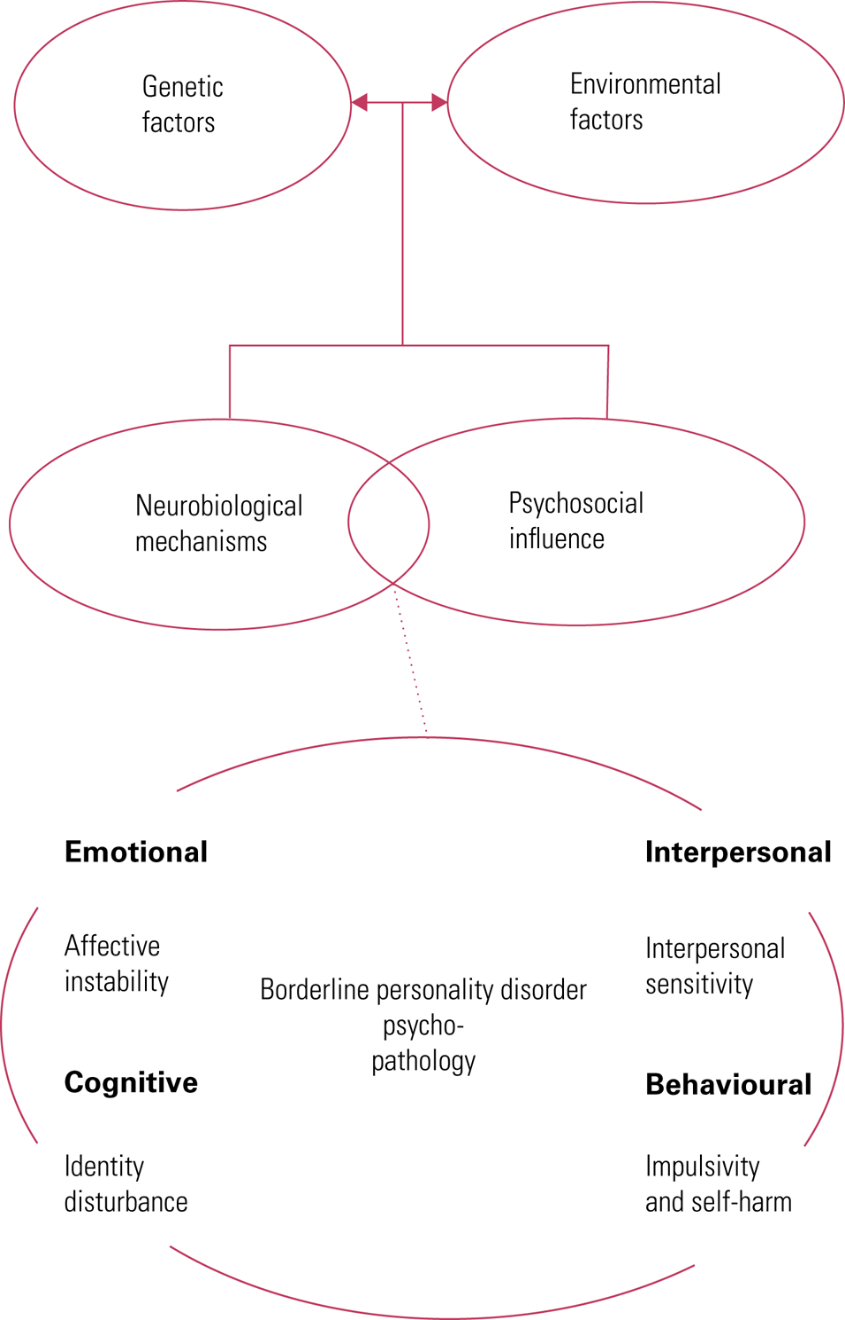
Setting the record straight: Busting myths
Challenging stigma and promoting empathy are key to creating a change in society. By learning the facts and understanding the struggles of BPD, we can create a caring and supportive environment for those affected. 1. Myth: BPD isn’t real Fact: BPD is a recognised mental health condition with clear diagnostic criteria. 2. Myth: Only women have BPD. Fact: Anyone can have BPD, though women are diagnosed more often. 3 . Myth: People with BPD are manipulative or attention-seeking. Fact: Behaviours come from emotional struggles, not a desire for attention. 4. Myth: Suicide threats aren’t serious. Fact: People with BPD are at high risk; all threats should be taken seriously. 5. Myth: BPD isn’t treatable. Fact: Expert treatment and early support can greatly improve lives.
Early Intervention and Prevention
BPD can be managed with proper care and support. With the help of therapy for borderline personality disorder, you can lead meaningful, fulfilling lives. Reducing or stabilising the symptoms of BPD starts with care, awareness, and support. Early recognition of signs, teaching healthy coping skills, managing stress, and building emotional resilience can help people face life’s challenges with confidence. Raising awareness in communities, schools, and families helps people understand mental health, spot early signs, and seek help. Culturally sensitive approaches make support even more effective. Strong social support, positive relationships, healthy habits, and access to mental health care all protect well-being and reduce the impact of BPD. By awareness, understanding and providing early help, we can empower individuals to build resilience, manage emotions, and live fulfilling lives. Reach out to Sukoon to gain access to some of India's best psychologists for counselling and therapy.
Recovery and Self-Management
Recovery from BPD is certainly possible with professional therapy for borderline personality disorder. DBT can especially help manage emotions, cope with stress, improve relationships, and build mindfulness. However, DBT is not the only therapeutic approach for BPD; other modalities can be effective after assessing the patient and the symptoms. Medications may also help with symptoms like anxiety, depression, or mood swings. Doing self-care practices like exercise, healthy eating, mindfulness, and good sleep supports emotional balance. Building strong support networks with family, friends, or peers adds understanding and encouragement. At Sukoon, we help people with BPD manage symptoms and create a more balanced and meaningful life with balanced care and premier doctors.
Caregivers need care too
Caring for someone with BPD requires educating oneself, lots of patience, understanding, and support. Here are some daily caregiver tips to help you provide the best care: 1. Cultivate patience and kindness: Stay positive and understanding, even when your loved one acts or reacts differently. 2. Stay informed: Learn about BPD from mental health providers and reading resources to better understand symptoms and behaviours. 3. Emotional Support: Provide emotional support and connection to help your loved one cope with the disease. 4. Safety and Planning: Assist with daily tasks, such as meals, hygiene, and medication, and consider working with therapists to support comfort and independence. 5. Care for Yourself: Join caregiver support groups, take breaks, and ask for help to avoid burnout and maintain your well-being. Take therapy to help manage your own mental health.
Hope is always around
Borderline Personality Disorder (BPD) can be complex, but with early diagnosis, awareness, and the right care, recovery becomes possible. Understanding BPD with empathy helps reduce stigma and encourages more people to seek help. In India, awareness and community support are steadily growing - and with compassion, consistency, and proper treatment, individuals with BPD can truly recover and thrive. So don't let judgment get in the way of your recovery- take the first step to a better life with professional support and care. At Sukoon, we we walk walk with you every step of the way with professional therapy for borderline personality disorder, compassionate care and all-around support.
FAQs
Borderline Personality Disorder (BPD) is a complex mental health condition that affects how people think, feel, and relate to others. It’s marked by intense emotions, impulsive actions, unstable relationships, and difficulties with self-image. People with BPD often feel emotions more deeply than others, making everyday situations feel overwhelming or painful. BPD doesn’t have one single cause - it develops through a mix of biological, psychological, and social factors. Common causes include: Genetics: Family history of BPD or other mental health conditions. Brain function: Differences in how the brain regulates emotions and impulses. Childhood experiences: Trauma, neglect, or unstable family relationships. Environmental stress: Ongoing relationship conflicts or emotional invalidation. BPD symptoms can vary, but often include: Intense mood swings and emotional sensitivity Fear of abandonment Unstable or stormy relationships Impulsive or risky behaviours (like overspending or substance use) Chronic feelings of emptiness Anger that feels hard to control Episodes of dissociation or paranoia Living with BPD can make work, relationships, and routines challenging. You may find it hard to control emotional reactions, trust others, or stay focused on goals. Relationships might feel intense and unstable, with frequent ups and downs. Your perception of self and view of yourself by others may be negatively influenced. However, with therapy and coping strategies, it’s possible to regain emotional stability and live meaningfully. Yes, while both men and women can have BPD, women are diagnosed more often. Women with BPD may experience heightened emotional sensitivity, self-image struggles, and fears of abandonment. However, men may express symptoms through anger, risk-taking, or substance use. The condition affects everyone differently, regardless of Diagnosis is made by a qualified mental health professional (psychiatrist or psychologist) through interviews, assessments, and observation of patterns over time. Since symptoms can overlap with depression, bipolar disorder, or PTSD, an accurate diagnosis ensures the right treatment plan is created. The most effective treatment is psychotherapy, particularly Dialectical Behaviour Therapy (DBT), which helps regulate emotions, manage stress, and build stronger relationships. Other therapies like Cognitive Behavioural Therapy (CBT) or trauma-focused therapy may also help. Yes - recovery is possible. With consistent therapy, emotional awareness, and a supportive environment, people with BPD can develop stable relationships, stronger coping mechanisms, and a more balanced sense of self. Many individuals go on to live fulfilling, successful lives. In India, access to mental health care is improving with increased awareness and resources. Clinics like Sukoon offer specialised therapies, compassionate care, and holistic treatment plans that make recovery possible. Affordable, stigma-free therapy and early diagnosis are helping more people recovery. While they share some symptoms, they differ in key ways: BPD: Intense, short-lived mood shifts often triggered by relationships or fear of rejection. Bipolar Disorder: Longer mood episodes (days or weeks) of mania and depression. Depression: Persistent sadness and loss of interest without rapid emotional changes. Family support is vital in BPD recovery. Loved ones can help by: Learning about the condition Encouraging therapy participation Offering emotional reassurance Practising patience and empathy Caregivers should also prioritise their own mental health and seek support when needed. Early intervention makes a big difference. Recognising emotional patterns, teaching coping skills, managing stress, and fostering supportive relationships can reduce the severity of symptoms. Building awareness in schools and communities helps reduce stigma and promotes mental well-being from a young age. BPD is not a character flaw - it’s a treatable mental health condition. With understanding, patience, and professional care, individuals can recover, rebuild trust, and lead deeply fulfilling lives. 1. What is Borderline Personality Disorder (BPD)?
2. What causes Borderline Personality Disorder?
3. What are the common symptoms of Borderline Personality Disorder?
These symptoms can interfere with daily life, but with proper support, they can be managed effectively.4. How does BPD affect daily life?
5. Is BPD different in women and men?
6. How is BPD diagnosed?
7. What are the treatment options for BPD?
Sometimes, medications (like antidepressants or mood stabilisers) are prescribed to manage coexisting symptoms like anxiety or depression.8. Can people with BPD recover?
9. How is BPD treated in India?
10. What is the difference between borderline personality disorder and bipolar disorder or depression?
Understanding these differences helps ensure accurate diagnosis and care.11. What role do family and caregivers play?
12. Can BPD be prevented or managed early?
13. What’s the most important thing to remember about BPD?
Bibliography:
American Psychiatric Association. (2013). Diagnostic and statistical manual of mental disorders (5th ed.). Arlington, VA: American Psychiatric Publishing. Reflective Functioning as a mediator between childhood adversity, personality disorder symptoms and functional outcome in adulthood. Clinical Psychology & Psychotherapy, 26(3), 325-335. (2019) Understanding the borderline mother: Helping her children transcend the intense, unpredictable, and volatile relationship. (2015). Handbook of Good Psychiatric Management for Borderline Personality Disorder. American Psychiatric Pub. (2014) Stop walking on eggshells: Taking your life back when someone you care about has borderline personality disorder. New Harbinger Publications. (2013) DBT® Skills Training Manual, Second Edition. The Guilford Press. (2015) The intelligent clinician's guide to the DSM-5®. Oxford University Press. (2017) Paris, J. (2019). Treatment of Borderline Personality Disorder: A Guide to Evidence-Based Practice. Guilford Publications. Emotion regulation strategies in patients with borderline personality disorder: The role of experiential avoidance. Personality and Individual Differences, 106, 7-12. (2017) Gender differences in borderline personality disorder: a narrative review





+91 8448156500

+91 1244265238


admissions@sukoonhealth.com

Menu