


Back
Inhalant Abuse: Hidden Risks and Long-Term Effects
11 Min Read
Table of contents
- Is Inhalant Abuse India’s Hidden Mental Health Challenge?
- Is Inhalant Abuse India’s Hidden Mental Health Challenge?
- Understanding Inhalant Misuse: Key Facts to Know
- Symptoms of Inhalant Abuse
- Inhalant Abuse’s Impact on Mental Health
- Types of Inhalants
- How Is Inhalant Use Disorder Diagnosed?
- Inhalant Abuse Treatment in India
- Taking the First Step
- Caregivers Need Care Too
- After Care
- Crisis Management
- Hope Is Always Around
- FAQs
- Bibliography
Table of contents
Is Inhalant Abuse India’s Hidden Mental Health Challenge?
Often hidden, inhalant abuse affects adolescents and young adults. Everyday items like glue, aerosols, or paint thinners may seem harmless, but repeated use can cause addiction, emotional distress, and long-term physical, social, and psychological harm. Curiosity, peer pressure, or stress often intensifies risk. Inhalants - volatile solvents, aerosols, and gases - impact the central nervous system, causing dizziness, mood changes, and impaired coordination. Prolonged use can lead to neurological, organ, or cardiac complications. Early warning signs include withdrawal from family and friends, mood swings, poor concentration, sudden behaviour changes, and declining school or work performance. Awareness of these indicators allows timely intervention and support. Inhalant misuse often overlaps with mental health conditions like depression, anxiety, or PTSD, complicating recovery. Integrated treatment addressing both substance use and mental health improves outcomes. Recovery is possible with personalised care, including counselling, therapy, medication, and structured rehabilitation. Sukoon’s D2R+ program combines detoxification, behavioural therapy, and lifestyle support, helping individuals regain control, rebuild confidence, and prevent relapse. Recognising inhalant misuse early and seeking guidance from trained mental health specialists can restore hope, health, and independence. Compassion, awareness, and timely intervention are key to lasting recovery. Inhalant Abuse in India
Understanding Inhalant Misuse
Signs and Symptoms
Co-Occurring Disorders
Treatment and Recovery in India
Reach Out for Support
Is Inhalant Abuse India’s Hidden Mental Health Challenge?
Inhalant abuse in India often goes unnoticed, yet it quietly affects many lives. Everyday items like glue, paint thinner, or aerosol sprays are easily accessible but carry addictive risks. It might unfold in plain sight, unnoticed, while its impact runs deep. Many young people experiment without realising the serious consequences. For some, curiosity or peer pressure can slowly turn into addiction, leaving emotional, physical, and social scars. Understanding the warning signs and knowing that support exists can make all the difference in changing the course of someone’s life. Here are some key questions we’ll cover: What is inhalant abuse? Why are young people more vulnerable to it? What are the signs and symptoms to notice? How does inhalant abuse affect the brain and body? What treatments and support systems can help in India? How can communities support someone at risk? Inhalant abuse is often underreported and can affect individuals across all strata of society. Vulnerable groups, such as street children and teenagers from disadvantaged backgrounds, may face higher risks. By understanding the risks and stepping in early, it’s possible to help with prevention and support. Let's understand what inhalant addiction is with this true-to-life story: ROOPESH’S STORY Exhausted and restless, Roopesh struggled to cope. His mind drifted toward risky ways to feel relief. An 18-year-old studying at a private college, he had been feeling more withdrawn, tired, and less interested in his studies. His parents noticed his mood swings, poor sleep, and loss of appetite. “Maybe it’s just stress from college,” his mother said. But soon, they realised he had been inhaling petrol frequently, sometimes becoming unresponsive. “We need professional help,” his father admitted. At first, they confided in their family physician. After evaluation, Roopesh was diagnosed with inhalant addiction, a form of substance abuse. The doctor explained the physiological symptoms of inhalant use disorder, the long-term effects of inhalants, and the mental conditions often linked with inhalant use. Feeling unsure and worried, Roopesh and his parents sought help from a de-addiction centre. With support from his doctors, countless hours of therapy and yes, medication, Roopesh gradually regained hope he thought was once lost. His health got better. Today, he continues therapy to work with the impulses and build a different future for himself. Roopesh gradually regained control, experienced relief, improved health, and rebuilt his confidence, giving both him and his family hope for a brighter, healthier future. Let’s Talk Inhalant Abuse
Understanding Inhalant Misuse: Key Facts to Know
The pattern of substance use has become a significant concern, affecting adolescents and young adults across urban and rural areas. Recognising the hidden dangers and long-term consequences of inhalant abuse is key to supporting prevention and timely intervention Inhalant abuse is sadly widespread in India. Young people, or even someone close, may experiment with substances like glue (adhesives containing toluene or other chemicals that produce intoxicating fumes), aerosols (spray products like deodorants, paints, or cleaning sprays that release chemical vapours), or nitrites (chemicals inhaled for a brief “high,” often sold as room fresheners or cleaning fluids) without realising the harm. Because these substances are easily accessible, inexpensive, and sometimes seem harmless, experimentation can occur. However, the risks are real, and the consequences can be serious. Socio-economic challenges such as poverty Limited access to education Scarce mental health resources or support systems In cities, peer pressure or lack of supervision can sometimes lead to risky choices In rural areas, farm chemicals or pesticides may be misused Noticing early signs in oneself or others is an important first step. Recognising these risk factors enables timely support with care, compassion, and reassurance. Sukoon Suggests: Early signs of inhalant addiction include subtle mood, behaviour, and focus changes before physical effects appear. Worried about the signs of inhalant abuse? Consult a specialist at Sukoon for clear next steps. Overview of Prevalence and Impact in India
Factors That Can Increase Vulnerability to Inhalant Misuse
Environmental and Social Influences
Symptoms of Inhalant Abuse
Inhalant abuse can affect nearly every part of the body, producing both short-term and long-term symptoms that are often easy to miss in the early stages. What may begin as occasional “experimentation” can quickly develop into a harmful pattern that impacts physical health, behaviour, and emotions. Some common signs and symptoms include: Physical Signs: Dizziness, nausea, slurred speech, red or runny eyes and nose, frequent headaches, chemical odours on their breath or clothes, paint or other stains on their hands, fingers or clothes, hygiene issues, ulcers around or in the nose, cravings, restless behaviour, and giddiness. Behavioural Changes: Sudden mood swings, irritability, secretive behaviour, or withdrawal from friends and family. Performance Issues: Decline in school or work performance, lack of focus, and unexplained absences; reduced performance in school. Neurological Symptoms: Poor coordination, confusion, disorientation, hallucinations, or periods of euphoria followed by fatigue. At the acute level, additional symptoms may include muscle weakness, insomnia, and nystagmus (eyes make repetitive movements). Over time, chronic inhalant use can cause long-term effects of inhalants like irreversible damage to the brain, liver, and other vital organs, making early detection and intervention critical for recovery. The reasons behind inhalant abuse often vary from person to person. However, several underlying psychological, social, and environmental factors can increase vulnerability, particularly among youth in challenging circumstances. Addressing these causes directly helps safeguard at-risk people and create supportive environments for prevention, especially in addressing drug addiction in youth. Some of the major causes include: Easy availability: Products like volatile solvents in whitener, glue, petrol, and nail-polish remover are cheap and sold openly. Low cost: Much cheaper than alcohol or drugs, making them accessible to poor or street-living children. Street life & poverty: Used by homeless youth, ragpickers, and slum children to escape hunger, cold, and harsh conditions. Family issues: Broken homes, neglect, abuse, or absent parents push children toward inhalants. Peer influence: Friends, gangs, and other street groups introduce and normalise inhalant use. Emotional distress: Youth use inhalants to numb trauma, sadness, or boredom and to feel brief euphoria. School problems: Academic failure, dropout, and lack of supervision increase risk. Lack of awareness: Parents, teachers, and even doctors often don’t notice or understand inhalant misuse. Misconception of safety: Many believe these everyday products are harmless. Weak regulation: Volatile substances are not restricted, so children can buy them easily. Ultimately, inhalant abuse is often a symptom of deeper emotional or environmental challenges. Early recognition of these causes can open the door to timely support, counselling, and recovery. A mother talks with her son about preventing inhalant abuse and drug addiction.
Causes of Inhalant Abuse

Inhalant Abuse’s Impact on Mental Health
Inhalant abuse can deeply affect mental health, relationships, and day-to-day functioning. The connection between substance misuse and psychological well-being is complex, and understanding it is essential to provide meaningful support for oneself or a loved one. When one engages in inhalant abuse, whether through volatile solvents, aerosols, or nitrites, they may notice changes in mood and thought patterns. Inhalant misuse often coincides with mental health challenges such as depression, anxiety, or even psychosis. These substances may ease pain for a while, but can worsen mental health and daily life. Sukoon Suggests: If you believe you or someone you care about is affected by inhalant abuse, you are not alone. At Sukoon, we are with you every step of the way. Button: Reach Out To Us Inhalant abuse causes rapid physical and mental effects because substances like volatile solvents, aerosols, or nitrites quickly enter the bloodstream and affect the central nervous system. Some of the immediate outcomes include: Nervous system and brain function impairment Dizziness, nausea, slurred speech, and poor coordination Sudden feelings of euphoria or intoxication Disorientation, confusion, or altered perceptions Impulsive or reckless behaviour leading to poor judgment and risk-taking Hallucinations, light-headedness, or mental fog Recognising these immediate signs is crucial for spotting inhalant misuse early. Awareness makes it easier to guide someone toward timely inhalant abuse treatment or drug abuse treatment, ensuring the right support at the right time. Inhalants slow brain activity by acting as depressants on the central nervous system. While this may create a brief calm or relaxation, the sudden effects can lead to dangerous outcomes like overdose or loss of consciousness. Recognising these risks early helps prevent harm and encourages timely support. Inhalant use impairs thinking and coordination, increasing the likelihood of accidents. Those affected may unknowingly take risks such as driving or operating machinery, putting themselves and others in danger. It might seem like trying inhalants once or twice is harmless - but the reality is different. Prolonged inhalant use may lead to neurological damage, cognitive decline, lung, kidney, or liver issues, heart problems, and even drug addiction. Substances like volatile solvents, aerosols, or nitrites are hazardous. They can cause abrupt inhalant fatality syndrome (AIFS), which disrupts heart rhythm and may trigger sudden cardiac arrest - even in otherwise healthy young people. Recognising what the physiological symptoms of inhalant use disorder are and understanding the long-term effects of inhalants helps identify early warning signs. Early action also supports learning how to prevent inhalant abuse before irreversible harm occurs. Pause. Take a Moment of Sukoon for Yourself We understand that processing information about inhalant abuse and its long-term effects can feel overwhelming. Take a short break and return when you feel ready. A distressed young man caught in the grip of inhalant abuse. Immediate Consequences of Inhalant Abuse
How Inhalants Impact the Brain
Dangers from Impaired Cognition and Coordination
Identifying Hidden Risks and Long-Term Effects

Types of Inhalants
Inhalant misuse covers many substances people breathe in to feel high or euphoric. Substances such as glue or paint thinners are easily accessible and affordable. Being aware of the different types of inhalants can help monitor those who are vulnerable to using them. Volatile solvents are substances that evaporate at room temperature and are commonly found in household items. Key points to know include: Common Sources: Adhesives, paint thinners, gasoline, and other easily accessible household products. Chemical Components: Contain chemicals like toluene, xylene, and benzene, which can produce psychoactive effects when inhaled. Understanding these substances helps identify how inhalant addiction develops and what long-term effects of inhalants to watch for. Their low cost and availability make them particularly attractive to young people, increasing the risk of misuse. Aerosols are pressurised containers that release fine sprays of liquid when used. Common examples include spray paints, deodorants, and air fresheners found in most households. Aerosols have a dual nature: they are useful in everyday life, but can cause dangerous intoxication if misused. These products often contain propellants such as butane or propane, which can cause dizziness, disorientation, or other physiological symptoms of inhalant use disorder if inhaled. Read More: Commonly found in whipped cream dispensers and other household items, gases misused as inhalants include nitrous oxide and chloroform. Nitrous oxide, also called laughing gas, is often inhaled for its short-lived euphoric effects and is easily accessible in culinary cartridges. Chloroform, though less common, has been misused for its sedative properties. Sukoon Suggests: Inhalant abuse treatment is just like treating any other kind of addiction. It requires a complete detoxification program by psychiatrists and therapists. Explore how we at Sukoon treat addiction with our D2R+ program. Explore how therapy and inhalant abuse treatment at Sukoon can help you regain control over your daily life. 1) Volatile Solvents
2) Aerosols: Meaning and Description
Explore supportive inhalant abuse treatment that restores health, confidence, and hope3) Gases as Inhalants
How Is Inhalant Use Disorder Diagnosed?
Understanding the diagnostic criteria for inhalant use disorder is essential for pursuing timely intervention. Clinicians assess substance use patterns, functional impairments, and coexisting psychiatric symptoms to create a clear picture. The DSM-5 outlines how professionals measure the impact of inhalant abuse. Mental health specialists rely on these guidelines to formulate accurate diagnoses and recommend personalised inhalant abuse treatment strategies. Specialists conduct in-depth assessments that go beyond identifying substance use patterns. They explore emotional triggers, family dynamics, trauma history, and coexisting conditions such as anxiety, depression, or ADHD that may contribute to inhalant misuse. Inhalant misuse is often difficult to detect, as it’s usually hidden and surrounded by stigma. Individuals may avoid sharing their experiences due to fear of judgment or legal consequences. Creating an environment of empathy and understanding can encourage disclosure, making it easier to intervene early and guide someone toward appropriate substance abuse treatment. A distressed woman reflects the link between inhalant abuse and mental health disorders. Using inhalants to cope with stress can create a dangerous cycle. While they may seem to provide temporary relief, inhalant addiction can worsen mental health issues and make recovery harder. Learning what disorders are caused by inhalants helps identify risks early and take steps toward prevention and support. Inhalant abuse rarely occurs in isolation. It often overlaps with other forms of drug addiction or substance use, such as alcohol or cannabis, and can be linked to conditions like depression, PTSD, or personality differences. Recognising these co-occurring challenges is crucial for accessing holistic substance abuse treatment and drug abuse treatment. Clinicians such as psychiatrists, addiction specialists, or mental health professionals can help assess and address individual mental health needs. Inhalant abuse tends to be more common in communities experiencing economic hardship, unemployment, or limited access to resources. Recognising these patterns helps promote targeted interventions and support policies that reduce regional disparities and create better opportunities for vulnerable groups. Sukoon Suggests: Spotting inhalant misuse early and getting a specialist’s help can uncover hidden issues. Therapy and support together make lasting recovery possible. Doctor supporting a patient during counselling on inhalant abuse and drug addiction.Overview of Diagnostic Benchmarks for Inhalant Use Disorders
Significance of Comprehensive Evaluations by Specialists
Through psychological testing, medical evaluation, and counselling, clinicians develop a clearer understanding of both the why and the how behind the behaviour. This enables a personalised inhalant abuse treatment plan that addresses not only detoxification but also emotional regulation, coping skills, and relapse prevention.
Such comprehensive evaluations help ensure recovery is not just about stopping use-it’s about rebuilding stability, self-esteem, and long-term mental wellness.Challenges in Identifying Inhalant Misuse

Connections Between Inhalant Abuse and Psychiatric Disorders
Socioeconomic and Geographic Considerations

Inhalant Abuse Treatment in India
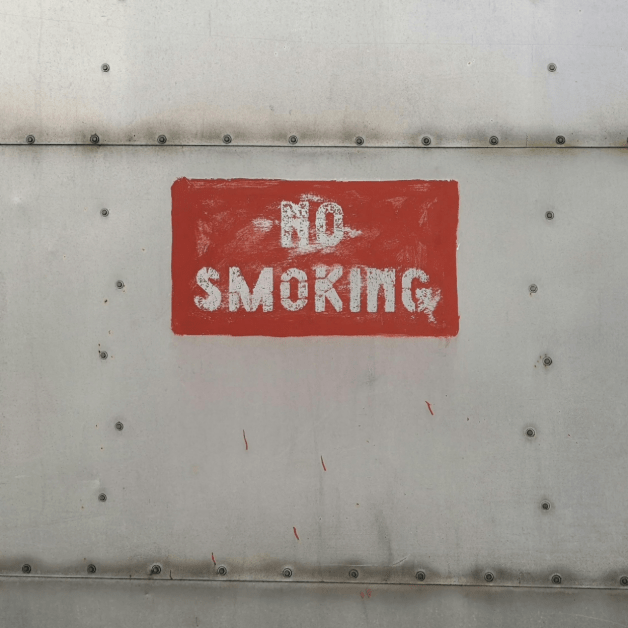
It can be overwhelming when someone close is struggling with inhalant abuse. A thoughtful, personalised approach is essential to meet each person’s unique needs. Understanding the various types of drug addiction and available treatment options plays a vital role in helping someone overcome inhalant addiction and begin recovery with the right support. Inhalant misuse often begins in adolescence, when curiosity and peer influence meet easy access to substances like glue, paint thinners, or aerosol sprays. Because these items are common household or classroom materials, the warning signs can go unnoticed. Parents and teachers play a vital role in early detection and guidance. Their awareness can prevent experimentation from turning into dependence. At the same time, students themselves can make a difference by noticing and speaking up if a friend is at risk. Together, families, educators, and peers can create safer, more supportive spaces for young people to grow without harm. Action Why It Matters Start Open Conversations Create a safe space for children to ask questions or share concerns about substances. Stay Observant Notice changes in mood, behaviour, attendance, or academic performance - early signs often go unnoticed. Educate About Risks Discuss how inhalant use harms the brain, body, and emotional health. Use real examples instead of fear tactics. Secure Potential Substances Keep items like glue, paint thinners, or aerosols safely stored to reduce easy access. Collaborate with Counsellors If concerned, reach out to school counsellors or mental health professionals for guidance and intervention. Action Why It Matters Don’t Ignore It Noticing strange smells, dazed behaviour, or secrecy may indicate inhalant use - silence can worsen the risk. Speak to a Trusted Adult Inform a teacher, counsellor, or parent instead of handling it alone. Show Care, Not Judgment Approach friends with empathy and concern, encouraging them to get help. Avoid Peer Pressure Steer clear of environments or groups where substance use is normalised. Support is available through various therapies, including one-on-one counselling, group sessions, and family support. Approaches such as cognitive-behavioural therapy (CBT) and motivational enhancement therapy (MET) help individuals understand the causes of inhalant abuse and develop strategies to manage triggers and cravings. These therapies build self-awareness and equip individuals with skills for long-term recovery. If someone is struggling with inhalant misuse, medication-assisted treatments (MAT) may be recommended, particularly when coexisting mental health conditions or withdrawal symptoms are present. Combined with counselling and therapy, these interventions create a comprehensive approach that supports recovery, stability, and overall well-being. Reach out to Sukoon to connect with some of India’s best psychologists for guidance, counselling, and therapy. Clear boundaries like “No Smoking” signs remind us of the importance of preventing inhalant abuse. Taking early action is key when exploring how to prevent inhalant abuse. Effective prevention considers the full picture - personal choices, family dynamics, community influences, and broader social factors that may lead to substance misuse. By learning how to prevent inhalant abuse through awareness and education, individuals and families can identify risks early and create safer, more supportive environments. Encouraging healthier choices starts with understanding the risks of inhalants, fostering resilience, and creating supportive environments that prevent substance use. Educational programs, community projects, and school-based activities give young people and adults the knowledge and confidence to resist peer pressure and avoid inhalant addiction. Youth are often the most vulnerable to inhalant misuse, and parents and teachers play a crucial role in prevention and early intervention. By learning about the risks and understanding the early signs, adults can help protect young people and guide them toward the right support. Key Actions Parents and Teachers Can Take: Limit access: Reducing the availability of volatile solvents, aerosols, and nitrites can lower the chances of misuse. Raise awareness: Talking openly about the risks and supporting education programs helps people make safer choices. Support treatment: Those struggling with inhalant addiction benefit from substance abuse treatment, which includes medical, psychological, and social support. Detect early signs: Recognising the long-term effects of inhalants and the physiological symptoms of inhalant use disorder allows for timely medical support and connection to essential resources such as counsellors, hotlines, or treatment centres. By staying informed and compassionate, it becomes easier to guide someone toward inhalant abuse treatment or drug abuse treatment before the issue escalates. Awareness campaigns and educational programs help share accurate information about inhalant misuse and clear up common myths. Schools, media, and online resources provide tools for children, parents, and educators to spot signs of inhalant abuse and understand the long-term effects of inhalants. In India, tackling inhalant abuse needs community action and supportive policies. Rules on the sale of volatile solvents, aerosols, or nitrites, along with easier access to substance abuse treatment or drug abuse treatment, can help protect at-risk groups. NGOs, healthcare providers, and government programs all play vital roles in supporting individuals and families affected by drug addiction in youth and adults. Recovery from inhalant misuse is possible with the right support, resources, and guidance. Acknowledging the challenge and reaching out for help marks the first step toward healing and renewal. Sukoon Suggests: Teens and young adults are especially at risk for inhalant addiction. Early recognition of signs lets you intervene with empathy, guidance, and effective de-addiction support. Connect with Sukoon for counselling, inhalant abuse treatment, and holistic care for lasting recovery. Taking a stand against inhalant abuse starts with saying no to harmful substances. Recognising and Responding to Inhalant Abuse Among Youth
How Parents and Teachers Can Help
If Students Notice It Among Friends
1) Exploring Therapeutic Support for Inhalant Misuse
2) Medication-Assisted Treatments and Harm Reduction Strategies
3) Preventive Measures
4) Strategies to Reduce Inhalant Misuse
5) Support for Parents and Teachers
6) Educational Campaigns and Awareness
7) Community Efforts and Policy Support
8) Progress and Rehabilitation
Rehabilitation programs, including residential care, outpatient therapy, and support groups, provide safe spaces to build coping skills, restore relationships, and rediscover purpose and stability. 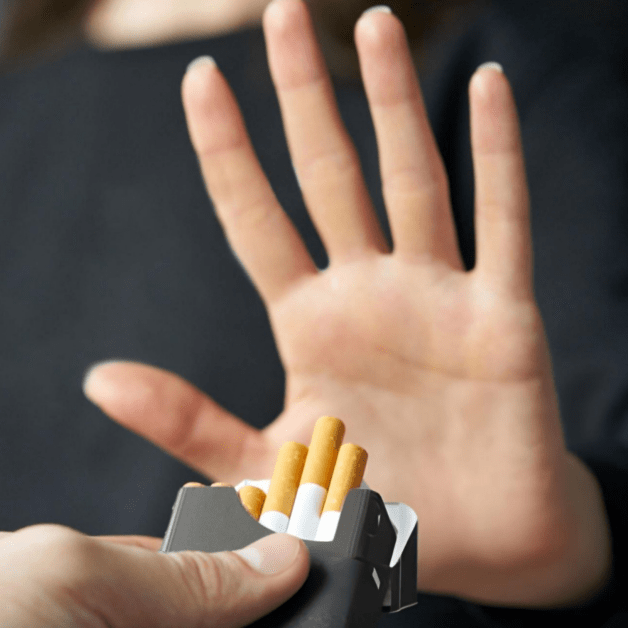
Taking the First Step
Start by noticing the small signs - mood swings, confusion, or secretive behaviour around things like glue, paint thinner, or aerosols. Limiting access to these substances at home, having honest conversations, and encouraging healthy routines like sports, hobbies, or peer support can go a long way in prevention. It also helps to seek guidance sooner rather than later. Counsellors, psychologists, and addiction specialists can suggest strategies to cope with triggers and reduce risk. Schools and community programs can provide extra awareness and support. By staying alert and proactive, one not only prevents misuse but also builds resilience, safety, and a stronger foundation for mental and emotional well-being.
Caregivers Need Care Too
Caring for someone struggling with inhalant abuse can be emotionally challenging, especially when dealing with the complexities of inhalant addiction, types of drug addiction, and coexisting mental health conditions. Here are five practical tips to support a loved one while also taking care of oneself: Educate Oneself: Learn about inhalant meaning, volatile solvents, aerosols, nitrites, and the physiological symptoms of inhalant use disorder to help recognise the early signs of inhalant abuse. Seek Professional Guidance: Encourage access to substance abuse treatment or inhalant abuse treatment programs and consult specialists on how inhalant use disorder is treated. Set Boundaries: Protect one’s well-being by establishing clear emotional and practical boundaries. Join Support Groups: Connect with other caregivers to share experiences, coping strategies, and encouragement. Focus on Prevention and Recovery: Understand how to prevent inhalant abuse and the long-term effects of inhalants, while celebrating small recovery milestones. By following these tips, caregivers can navigate their journey with greater empathy, resilience, and hope. Sukoon Suggests: Early help changes outcomes. Recognising patterns and seeking guidance can prevent lasting harm and foster recovery.
After Care
Recovery doesn’t end with treatment - it continues through follow-up therapy, counselling, and healthy routines. Regular check-ins, skill-building, and ongoing support help prevent relapse and maintain balance. Staying mindful of triggers and practising coping strategies ensures lasting well-being, reinforcing confidence, emotional resilience, and a healthier, substance-free lifestyle.
Crisis Management
In an emergency - such as sudden unresponsiveness, confusion, or severe intoxication - immediate action can save lives. Call emergency services, move the person to a safe area with fresh air, and never leave them unattended. Timely professional care prevents life-threatening complications. Sukoon Health’s 24x7 mental health emergency response service, created to offer hope and timely help to individuals and families facing emotional or psychological crises. Available round the clock, it ensures that no one feels alone during their most vulnerable moments. MERA Sukoon
Guided by Consultant Psychiatrists and compassionate professionals, MERA Sukoon provides immediate care that is safe, respectful, and in full compliance with the Mental Healthcare Act 2017, bringing comfort, dignity, and reassurance when it’s needed the most.
Hope Is Always Around
Inhalant abuse is often the elephant in the room, but it’s time to recognise it. The journey can feel overwhelming, yet awareness is the first step toward change. By learning more about the risks and early signs, individuals can take meaningful action and guide others toward timely inhalant abuse treatment that can truly change a life. At Sukoon, a compassionate team of psychiatrists, psychologists, counsellors, occupational therapists, and nutritionists creates personalised recovery plans built around each person’s unique needs. Every journey with addiction is different, and so is the care provided. With understanding, guidance, and family involvement, individuals can rebuild balance, confidence, and a healthier tomorrow. The stories of those who have faced inhalant addiction reflect both the struggle and the strength it takes to recover. Their perseverance and hope serve as reminders that substance misuse does not define the future. With the right help and consistent support, a life free from the effects of inhalant abuse, filled with renewed health, clarity, and confidence, is always within reach.
If you wish to learn more about mental health disorders, our YouTube channel provides in-depth discussions on their importance and awareness by esteemed medical professionals and doctors.
FAQs
Prevention of inhalant abuse begins with education about its risks and effects. Young people should be taught the dangers of volatile solvents, aerosols, and nitrites. Creating safe and supportive home, school, and community environments can reduce vulnerability to drug addiction in youth. Monitoring behaviour for early warning signs and encouraging open communication are important steps. Early intervention can prevent experimentation from turning into long-term types of addiction. Misuse of volatile solvents, aerosols, and nitrites can result in mental and physical disorders. Users may develop depression, anxiety, or cognitive impairments over time. Chronic inhalant use increases the risk of other types of drug addiction. Some individuals may experience psychosis or long-term neurological damage. Recognising early signs allows timely inhalant abuse treatment to prevent severe complications. Early signs of inhalant abuse include mood swings, irritability, and sudden fatigue. Physical symptoms may involve slurred speech, dizziness, poor coordination, and chemical odours from volatile solvents or aerosols. Stains around the mouth or nose from substances like glue or paint can also appear. These signs often precede serious health effects. Prompt recognition allows timely substance abuse treatment. Prolonged use of volatile solvents, aerosols, or nitrites can cause brain damage, memory loss, and organ problems. Users may develop heart, liver, or kidney complications over time. Chronic inhalant misuse also increases vulnerability to drug addiction. Psychological effects, including depression or anxiety, may persist even after stopping. Early inhalant abuse treatment can reduce the risk of permanent damage. Physiological symptoms of inhalant use disorder include dizziness, nausea, headaches, and slurred speech. Poor coordination and irregular heartbeat are also common. Prolonged use of volatile solvents, aerosols, or nitrites may lead to weight loss, chronic fatigue, and organ damage. Recognising these symptoms early allows effective inhalant abuse treatment. Supportive therapy and monitoring are essential for recovery. Depression and anxiety are frequently observed in inhalant abuse cases. Chronic misuse of volatile solvents, aerosols, or nitrites can sometimes trigger psychosis. These coexisting mental conditions complicate substance abuse treatment. Addressing both the addiction and mental health issues improves chances of long-term recovery. Early intervention is key to preventing further types of addiction. The diagnostic criteria for inhalant use disorder follow DSM-5 guidelines. Clinicians assess patterns of substance use, functional impairment, and withdrawal symptoms. They also consider repeated unsuccessful attempts to reduce the use of volatile solvents, aerosols, or nitrites. Accurate diagnosis helps plan personalised inhalant abuse treatment. Timely evaluation prevents escalation and supports recovery. Complications of inhalant use disorder include sudden cardiac arrest, neurological damage, and organ failure. Long-term misuse of volatile solvents, aerosols, or nitrites can also affect academic performance and social relationships. Chronic users are at higher risk for drug addiction in youth. Legal and behavioural issues may arise if intervention is delayed. Early substance abuse treatment reduces the likelihood of serious consequences. Inhalant use disorder is treated through therapy, counselling, and medication-assisted programs. Rehabilitation may include cognitive-behavioural therapy and family support. Addressing coexisting mental health conditions improves recovery outcomes. A combination of inhalant abuse treatment and community support increases success rates. Education about types of addiction and safe coping strategies is also essential.How to prevent inhalant abuse?
What are the disorders caused by inhalants?
What are the signs of inhalant abuse?
What are the long-term effects of inhalants?
What are the physiological symptoms of inhalant use disorder?
Which mental condition is common among inhalant abusers?
What are the diagnostic criteria for inhalant use disorder?
What are the complications of inhalant use disorder?
How is inhalant use disorder treated?





+91 8448156500

+91 1244265238


admissions@sukoonhealth.com

Menu