


Back
Can Recreational Therapy Transform Rehabilitation in India? Everything You Need To Know
15 Min Read
Table of contents
- Let's Talk Recreational Therapy
- The Role of Recreational Therapy in Rehabilitation
- Recreational Therapy Techniques Used in India
- Benefits and Outcomes of Recreational Therapy
- Tailoring Recreational Therapy to Specific Populations
- Professional Roles in Recreational Therapy
- Hope is always around
- FAQs
- Bibliography
Table of contents
Let's Talk Recreational Therapy
Recovery is not only about medical routines or physical rehabilitation. Healing involves the whole person. Alongside medical care and therapy, recreational therapy plays an important role in restoring confidence, enjoyment, and emotional balance. It is not secondary or optional. It works together with counselling, medication, and physiotherapy to support overall well-being. After a life-changing event or prolonged struggle, many people find it difficult to reconnect with joy or a sense of normal life. Structured recreational activities such as art, music, sports, yoga, or group engagement help individuals rebuild routine, rediscover strengths, and experience achievement in safe and meaningful ways. When integrated into treatment from the beginning, recreational therapy supports emotional healing just as much as physical recovery. This is where recreational therapy plays an important role. Through activities like art, music, movement, and play, it helps individuals engage with recovery in ways that feel meaningful and familiar. By bringing creativity and connection into rehabilitation, recreational therapy supports not only physical progress but also emotional well-being and motivation to move forward. In this blog, we will explore: What is recreational therapy, and how does it support rehabilitation? How do activities like art, music, and sports aid physical and emotional recovery? Why is recreational therapy important, especially in Indian rehabilitation? Let us understand the impact of this therapy through a true-to-life story. Rohan, a 28-year-old software engineer from Bangalore, loved long workdays, weekend treks, and playing his guitar with friends. After a serious bike accident left him with a brain injury and limited movement on one side of his body, everything changed. For months, Rohan was stuck in a hospital room. He followed his physiotherapy routine, but inside, he felt defeated. He stopped talking much, avoided exercises, and struggled with the feeling that the version of himself he loved was slipping away. Things began to shift when a recreational therapist asked him a simple question: what do you love doing? When Rohan said music, they started small, with an electronic keyboard. Turning therapy into rhythm and play made it easier for him to stay engaged, even on hard days. Slowly, his fingers moved better, his mood lifted, and his motivation returned. Months later, Rohan wasn't just walking again; he was teaching other residents how to play simple chords. Recreational therapy didn’t just help his recovery; it helped him feel like himself again.
The Role of Recreational Therapy in Rehabilitation
Recreational therapy, often called "rec therapy," plays a unique and vital role in the rehabilitation process. While doctors focus on pathology and physiotherapists focus on movement mechanics, recreational therapists focus on the person inside the body. Recreational therapy serves as an evidence-based, complementary treatment applied throughout all phases of care. It enhances medical and psychotherapeutic approaches by leveraging purposeful activities to foster psychological, physical, social, and functional well-being, while aiding recovery, skill-building, and community engagement. Rehabilitation is a marathon rather than a sprint. It involves navigating physical pain, deep emotional grief, and profound social isolation. Recreational therapy addresses all three of these areas simultaneously. Physical Restoration: Activities like sports or dance improve mobility, balance, and endurance without the monotony of repetitive drills. When a person is chasing a ball or following a dance step, they often push their physical limits further than they would during standard exercise because they are focused on the goal rather than the effort. Cognitive Rehabilitation: Strategy games, arts, and music challenges sharpen memory, attention, and problem-solving skills. For someone recovering from a stroke or brain injury, relearning how to sequence the steps of a card game or follow the pattern of a knitting project supports neuroplasticity and reinforces essential cognitive and executive functioning. Emotional Wellbeing: Creative expression provides a safe outlet for frustration, grief, and anxiety. These are common emotions during recovery that often go unspoken. Art and music allow these feelings to be released constructively rather than being bottled up. Social Reintegration: Group activities allow individuals to interact, negotiate, and collaborate. This rebuilds the social skills necessary for returning to the community. It teaches individuals that they are still valuable members of a group. Sukoon Suggests: Integrating your personal hobbies into your recovery plan can significantly boost your dopamine levels and motivation to get better. Explore Our programmes Doing what you love brings out happiness even when you feel down.Comprehensive Understanding of the Process
Recreational Therapy Techniques Used in India
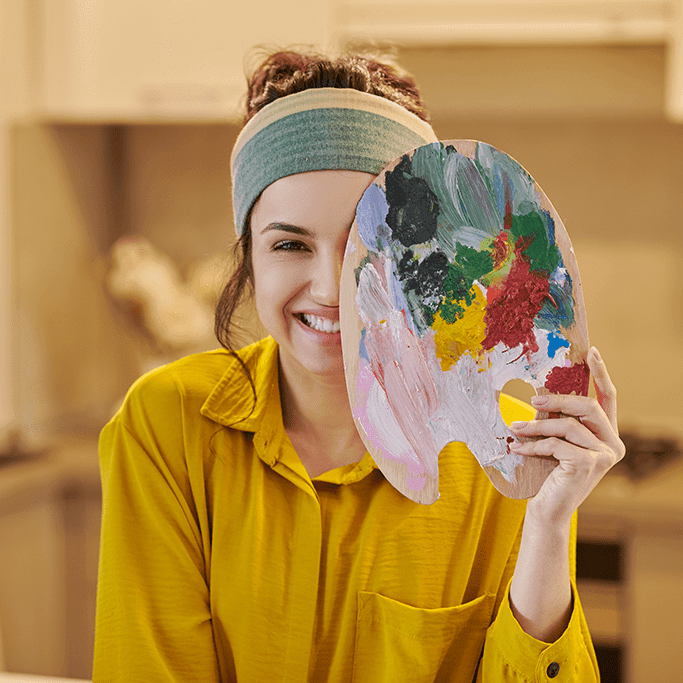
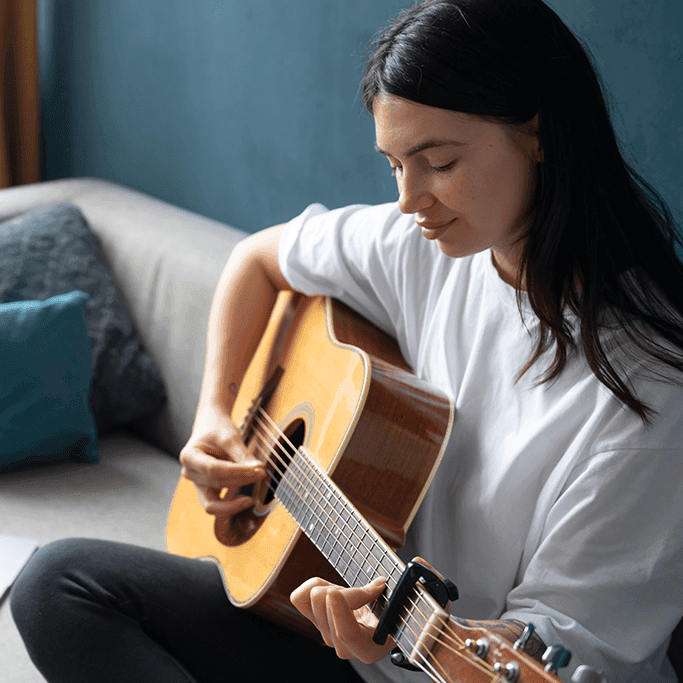
India is a land of diverse cultures, and our approach to recreational therapy reflects this richness. We blend modern evidence-based practices with traditional wisdom to create a holistic recovery environment. The techniques used are not random; they are carefully selected to match the cultural and personal context of the individual. Yoga is perhaps India's greatest gift to the world of rehabilitation. It is not just exercise; it is a mindful union of body and breath. In a recreational therapy setting, yoga is adapted to be accessible to everyone regardless of their physical limitations. Physical Benefits: Asanas improve flexibility and core strength, which are essential for those recovering from physical trauma. Chair yoga or supported poses allow even those with limited mobility to participate. Mental Benefits: Pranayama (breath control) and meditation reduce cortisol levels. This helps individuals manage the stress and anxiety that often accompany long-term illness. It teaches the mind to stay calm even when the body is in pain. Application: A recreational therapist might adapt poses for a resident in a wheelchair by focusing on upper body strength and breathwork to improve lung capacity and calmness. Art therapy is a powerful tool for mental health. In India, where we have a rich heritage of Madhubani, Warli, and Mandala art, these forms are naturally therapeutic. They rely on patterns, repetition, and storytelling. Emotional Release: For someone struggling to articulate their trauma, painting or moulding clay allows the subconscious to speak. Colours and shapes can express anger or sadness that words cannot capture. Cognitive Focus: The intricate details required in traditional Indian art forms demand concentration and fine motor control. This aids cognitive rehabilitation by forcing the brain to focus on a single task for an extended period. Music therapy and dance are deeply embedded in our cultural DNA. From classical ragas to Bollywood beats, rhythm moves us. It is a language that everyone understands. Rhythm and Movement: Dance therapy helps individuals with coordination issues, such as those with Parkinson's disease, by using rhythm as an external cue to move. The heart acts as a pacemaker for the body. Emotional Resonance: Listening to or creating music can trigger memories and emotions. This is particularly beneficial for individuals with dementia or memory loss. A familiar old song can unlock memories that were tucked away in our brains and never recalled again. Social Connection: Group singing or dancing fosters a sense of community. It combats the isolation of recovery by creating a shared experience of joy. Music has been proven to be one of the most effective therapies. Sports therapy isn't just for athletes. Adaptive sports, such as wheelchair basketball or seated volleyball, teach resilience and teamwork. Teamwork: It rebuilds trust in others and oneself. Being part of a team gives an individual a role and a responsibility. Physicality: It improves cardiovascular health and muscle strength in a fun and competitive environment. It reminds the body of what it is capable of doing. Nature-Based: Activities like gardening or nature walks (Forest Bathing) connect individuals with the earth. This grounding effect reduces depressive symptoms and provides a sensory-rich environment that is calming. Sukoon Suggests: Dancing or sports not only aid physical recovery but also combat the intense isolation often felt during rehabilitation. Know the right type of therapy for you.Yoga and Meditation
Traditional Arts and Crafts (Expressive Arts Therapy)
Music and Dance Therapy
Sports and Outdoor Activities
Benefits and Outcomes of Recreational Therapy
Why should someone choose a rehabilitation centre that offers recreational therapy? Evidence shows it improves the quality of life in measurable and profound ways. It turns the period of recovery from a time of waiting into a time of living. Engaging in rehabilitative activities that are enjoyable means an individual is likely to do them longer and more often. Compliance with treatment is one of the biggest challenges in rehabilitation. A game of badminton burns calories and improves reflexes just like a gym session, but it feels like play rather than work. This leads to better cardiovascular health, improved muscle tone, and faster functional recovery. Furthermore, these activities often mimic real-life movements. Reaching for a paintbrush helps with reaching for a cup. Holding a yoga pose helps with sitting upright in a chair. The functional transfer of skills is high because the movements are natural. Depression is a common secondary condition in people suffering from chronic illness or disability. The loss of ability often leads to a loss of self-worth. Recreational therapy provides "small wins." Finishing a painting, learning a song, or scoring a goal releases endorphins and serotonin. It shifts the focus from "what I can't do" to "what I can do." This shift in mindset is crucial. When an individual realises they can still create, compete, and enjoy life. Recreational therapy increases motivation to recover. It reduces feelings of helplessness and boosts self-esteem. One of the hardest parts of recovery is going back out into the world. People often feel self-conscious about their disability or condition. Recreational therapy simulates real-world social interactions in a safe environment. It teaches individuals how to navigate social anxiety, how to ask for help, and how to be a team player again. It provides a practice ground for the real world. If someone can manage a disagreement during a group game in therapy, they are better equipped to handle social friction outside the centre. Read More: Understanding Panic and Anxiety Attacks in India’s High-Pressure Lifestyle PAUSE. TAKE A MOMENT OF SUKOON FOR YOURSELF We understand that thinking about rehabilitation and recovery can feel overwhelming. It is a lot to process. Before you read further, try taking a short break. Breathe deeply, drink a glass of water, and resume when you feel ready. We are right here with you.Improved Physical Health
Enhanced Mental Wellbeing
Social Reintegration
Tailoring Recreational Therapy to Specific Populations
One size does not fit all. A recreational therapist is trained to adapt activities to the resident's specific needs, age, and abilities. The approach for a child with autism is vastly different from the approach for an elderly person recovering from a hip fracture. Play is the language of children. For a child with developmental delays or behavioural issues, therapy looks like play. They do not have the vocabulary to express complex emotions, so they act them out. Techniques: Storytelling, role-playing games, and sensory play using sand or water. Goal: To build social skills, emotional regulation, and motor coordination without the child realising they are in "therapy." It makes the hospital or centre feel less scary. Loneliness and loss of function are major concerns for seniors in India. Often, after a medical event, they feel their role in the family has diminished. Techniques: Gentle yoga, using old music or family photos, and gardening. Goal: To maintain cognitive function, prevent falls by improving balance, and foster a sense of purpose. For individuals dealing with depression, anxiety, or PTSD, the mind can be a scary place. offers a break from the internal noise. Techniques: Expressive arts therapy, journaling, and mindfulness walks. Goal: To ground the individual in the present moment and provide non-verbal outlets for trauma. It helps in regulating the nervous system and bringing the person back to a state of safety.For Children and Teens
For the Elderly
For Mental Health Conditions
Professional Roles in Recreational Therapy
A common misconception is that recreational therapy is just "volunteers playing games." This is far from the truth. It is a disciplined clinical practice. A qualified recreational therapist is a healthcare professional. They are often certified by bodies like the NCTRC or trained in specific modalities within India. They are an integral part of the clinical team. Assessment: They assess the individual's physical, cognitive, and emotional baseline. They look at what the person can do, not just what they cannot. Planning: They create a structured plan with measurable goals. For example, "Improve fine motor grip strength by 20% through clay modelling" or "Increase social participation to 3 times a week." Implementation: They facilitate the sessions and adapt in real-time to the resident's needs. If a resident is having a bad day, the therapist modifies the activity to be less demanding. Evaluation: They track progress and adjust the plan. They coordinate with doctors and psychologists to ensure the recreational goals align with the medical goals. At a comprehensive rehabilitation centre, the activity therapist works alongside other experts to ensure holistic care. Psychologists: To address underlying mental health triggers that might surface during activities. Physiotherapists: To ensure movements are safe and biomechanically correct so that the patient does not injure themselves during play. Occupational Therapists: To ensure the skills learned during recreation transfer to daily living tasks like music, art, dressing or cooking. Art Therapists: Facilitate emotional expression and cognitive processing through creative visual arts, complementing recreational activities. This interdisciplinary approach ensures that the fun and games have a serious and life-changing purpose. Sukoon Suggests: Consistency is key; even ten minutes of mindful activity a day can create lasting neural pathways that aid in recovery. Take the next step to recovery.The Recreational Therapist
The Therapeutic Team
Hope is always around
Living with a disability or recovering from a major health setback can feel isolating, but you are never truly alone. The path may be difficult, but it is not one you have to walk by yourself. Research is constantly evolving. It brings us new ways to recover the brain and body through joy and connection. Every day, we see individuals defy the odds. We see them recover not just by taking their medication, but by reclaiming their passions. Whether it is painting a canvas, sinking a basketball, or simply breathing in a yoga pose, hope is found in the doing. If you or a loved one is struggling to find that spark again, know that help is available. Professional guidance can turn a hobby into a lifeline. It can turn a pastime into a path for recovery. At Sukoon, we are here for you. Our team includes psychiatrists, clinical psychologists, recreational therapists, and art therapists. They work together to build a plan just for you. Everyone’s journey is different, so you get exactly the support you need to write your own story of recovery. The future may seem uncertain right now, but it also holds immense possibilities. With the right support, you can face anything tomorrow brings. We are in this together.
FAQs
While both therapies aim to improve independence, their focus differs slightly. Occupational therapy primarily focuses on "activities of daily living," such as dressing, eating, bathing, and working. It is about the functional tasks of life. Recreational therapy uses leisure activities, such as sports, arts, and music, to improve functioning and emotional well-being. It is about the joy of life. However, they often work together to support holistic recovery. Absolutely. Art therapy for mental health is not just for children. In fact, for adults, it provides a sophisticated and non-verbal way to process stress, trauma, and complex emotions. Adults often have strong defence mechanisms with words. Art bypasses these defences. You do not need to be an artist to benefit. The focus is on the process of creation and emotional release, not the final masterpiece. Yes, sports therapy is highly adaptable and inclusive. Adaptive sports equipment and rule modifications allow individuals with spinal cord injuries, amputations, or other physical challenges to participate fully. For example, wheelchair rugby or seated archery. It builds upper body strength, cardiovascular health, and vital social connections. It proves that disability does not mean inability. A professional recreational therapist typically holds a bachelor’s or master’s degree in therapeutic recreation, psychology, or a related field. In India, they may also have specialised certifications in specific modalities like yoga therapy, art therapy, or counselling. They are trained healthcare professionals who know how to assess needs and design clinical interventions safely. To find a good rehabilitation centre, look for a facility that offers a multidisciplinary team approach. Ensure they have psychiatrists, psychologists, and specialised therapists (art, music, and rec) on staff. Ask about their personalised care plans. Look for reviews or testimonials that mention holistic and compassionate care. A good centre will focus on the whole person, not just the symptoms. Music therapy for mental health has profound physiological and psychological benefits. It can lower blood pressure, reduce muscle tension, and decrease anxiety by calming the nervous system. For those with depression, it can boost mood by releasing dopamine. It is also used effectively to manage agitation in dementia residents, providing a sense of calm and familiarity in a confusing world. While professional guidance is recommended for targeted recovery, you can incorporate principles of recreational therapy at home. Engaging in mindful gardening, listening to calming music, or doing simple art projects can be beneficial. However, a trained therapist ensures the activities are safe and directly contribute to your rehabilitation goals. They can also adjust the difficulty level as you improve.What is the difference between recreational therapy and occupational therapy?
Is art therapy for mental health effective for adults?
Can sports therapy help with severe physical disabilities?
What qualifications does a recreational therapist have?
How do I find a good rehabilitation centre in India?
What are the benefits of music therapy for mental health?
Can I do recreational therapy at home?
Bibliography
Definition and Scope of Recreational Therapy. The efficacy of play therapy with children. Indian Association of Physiotherapists. Scope of Physiotherapy in India. Occupational Therapy Practice in India. Rehabilitation Guidelines. Handbook of Art Therapy. Rhythm, Music, and the Brain: Scientific Foundations and Clinical Applications. National Council for Therapeutic Recreation Certification. World Federation of Occupational Therapists. Association of Nature and Forest Therapy Guides & programmes.





+91 8448156500

+91 1244265238


admissions@sukoonhealth.com

Menu