


Back
Types of Addiction in India: Understanding Dependence and the Path to Recovery
15 Min Read
Table of contents
- Let's Talk About Types of Addiction in India
- Understanding the Core: What is Addiction?
- Common Indicators of Substance Dependence:
- What Causes Addiction?
- Most Common Types of Substance Addictions
- The Complex Challenge of Polysubstance Addiction
- Pharmacological & Behavioural Interventions
- Caregivers Need Care Too
- Hope is always around.
- FAQs
- Bibliograpghy
- FAQ's
- Bibliography
Table of contents
Let's Talk About Types of Addiction in India
If you have found your way here, you may be feeling overwhelmed, uncertain, or quietly looking for answers for yourself or someone you care about. Taking the time to read this is already a meaningful first step. In India, addiction is often surrounded by silence, which can make it easy to feel alone. Whether it began as a small habit or has been a long-standing one, many people share this experience, even if it is rarely spoken about. Substance use affects more than health. Alcohol is the most commonly used substance in India, but tobacco, cannabis, opioids, stimulants, sedatives, hallucinogens, inhalants, caffeine, and newer substances also impact individuals and families. Behind every number is a person carrying stress, expectations, or emotional strain, and there is support available when you are ready. In this blog, we will explore: What are the different types of addiction commonly seen in India? How do substance dependencies affect daily life and emotional well-being? What recovery and support options are available for individuals and families? There is no right or wrong pace here, only the reassurance that support can be there whenever you are ready. Before we explore the different types of addiction, let’s pause and listen to Sunita’s story. Sunita, a 45-year-old factory worker from Delhi, had always seen her daily bidi as a small comfort after long and exhausting workdays. Between early mornings, physical labour, and financial responsibilities at home, those few quiet minutes felt like the only time she could pause and breathe. She never thought of it as a tobacco addiction, just a routine that helped her cope with stress. Over time, her younger sister Kavita began noticing changes. Sunita's cough became harsher and more frequent, and she often felt breathless after simple tasks. She slowly withdrew from family outings and evening walks, embarrassed by sudden coughing fits in public. What once felt harmless was quietly affecting her health and confidence. Concerned, Kavita gently encouraged her to speak to a specialist. At first, Sunita resisted, afraid of giving up the one thing that helped her manage her day. But with patience and support, she began to see that seeking help was not weakness, but courage. That decision marked the beginning of her recovery and a renewed commitment to her health and family. When addiction becomes part of life, it can feel confusing and overwhelming. Understanding substances, how they affect the mind and body, and the risks of mixing them can bring clarity.
Understanding the Core: What is Addiction?
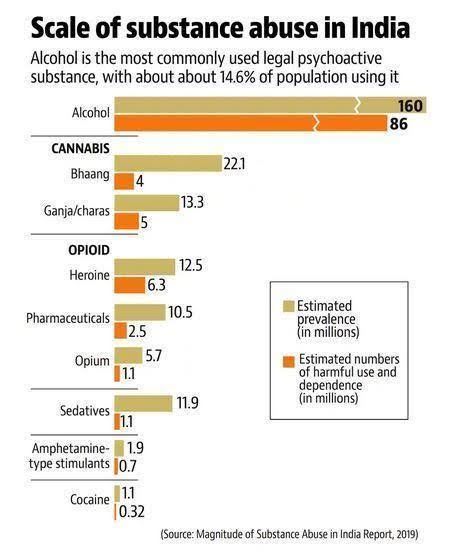
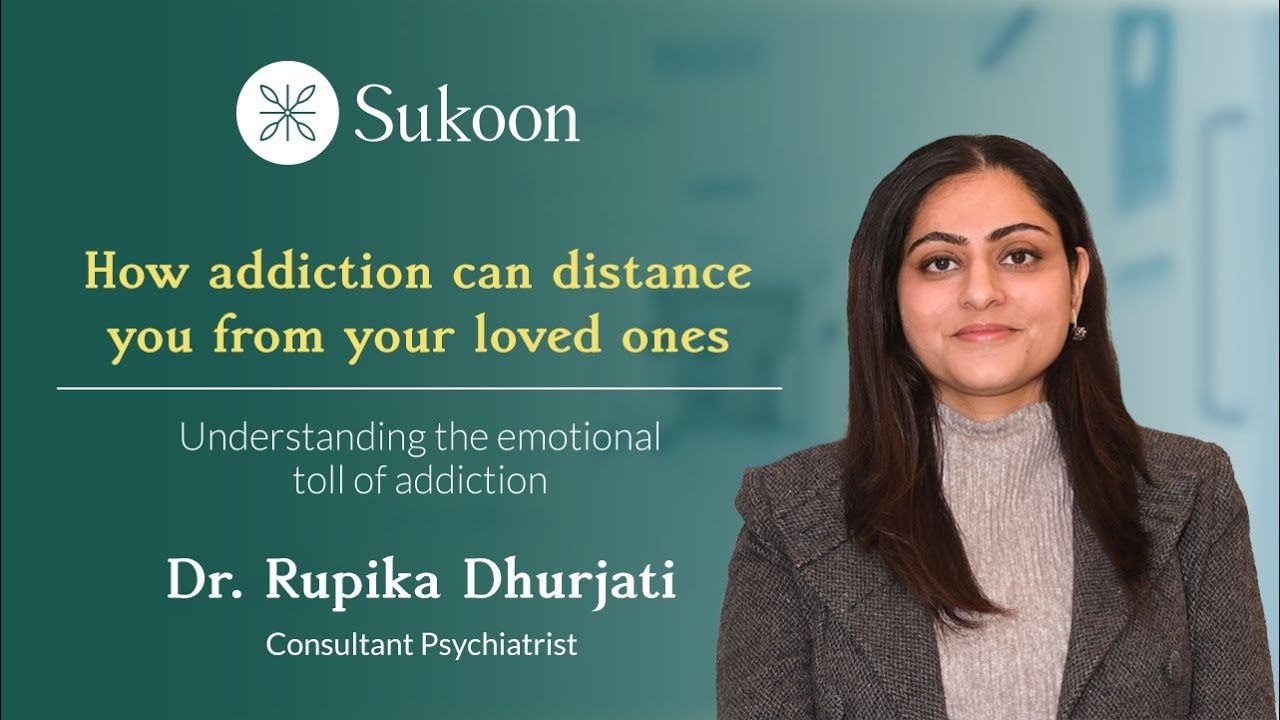
Addiction is a chronic medical condition, not a moral failing or a lack of willpower. Repeated use of substances can change how the brain manages reward, stress, and decision-making, making it difficult to stop even when harm is evident. This pattern can develop with alcohol, tobacco, cannabis, opioids, stimulants, sedatives, hallucinogens, inhalants, caffeine, or other substances. Graph showing different types of addictions and their numbers in India. Like many long-term health conditions, addiction varies in severity and may involve periods of improvement and setback. Recovery usually requires medical care, psychological support, and a safe and understanding environment. If you are struggling, please remember that help is available and change is possible. Break The Silence How do the different types of Addiction look like? Watch this AMA with Dr. Rupika Dhurjati, a Consultant Psychiatrist, to learn more.
Common Indicators of Substance Dependence:
Substance dependence can look different for everyone, but certain patterns are common across substances such as alcohol, tobacco, cannabis, opioids, stimulants, sedatives, hallucinogens, inhalants, caffeine, and other substances. These signs often develop gradually and may not feel serious at first. Common indicators include difficulty controlling how much or how often a substance is used, needing more of it to feel the same effect, and experiencing discomfort when trying to stop. Some people continue using despite health, relationship, or work problems. Strong cravings and losing interest in previously important activities can also be signs. These patterns are not signs of weakness. They often reflect someone trying to cope with stress, pain, or emotional strain. If you recognise these signs in yourself or someone you care about, gentle support can make a meaningful difference.
What Causes Addiction?
Understanding what causes alcohol addiction or any other form of dependence is complex, as it rarely comes from a single reason. Substance-related problems develop through a mix of biological, psychological, and social influences. This applies across substances such as alcohol, tobacco, cannabis, opioids, stimulants, sedatives, hallucinogens, inhalants, caffeine, and other substances. Genetics and family history: A family history of addiction can increase risk, as inherited traits affect how the brain responds to substances and stress. Environment: rauma, stress, financial pressure, peer influence, and social norms can shape substance use patterns, especially in India. Brain chemistry: Repeated use alters the brain’s reward and stress systems, making continued use feel necessary. Co-occurring mental health conditions: Depression, anxiety, trauma, or attention concerns may increase the likelihood of using substances to cope. Understanding these causes is not about blame. It is about recognising the pressures that shape substance use and why compassionate support matters. If you are struggling, please remember that help is available, and recovery is possible. Sukoon Suggests Understanding addiction becomes easier when you don’t have to carry the questions alone. Take the first step toward clarity.
Most Common Types of Substance Addictions
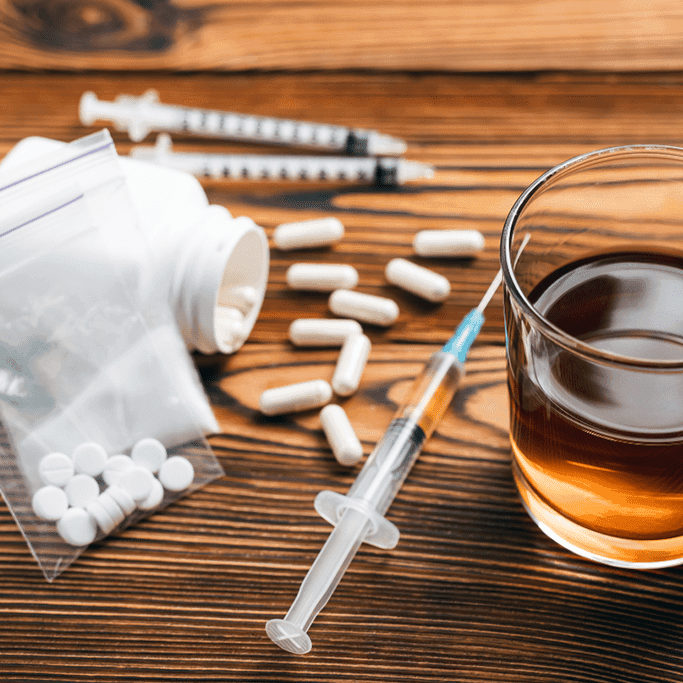
Cannabis, commonly known as marijuana or weed, has long-standing cultural, religious, and social associations in India. While traditional or occasional use may not always lead to harm, repeated and heavy consumption can sometimes develop into a pattern of dependence. This risk increases when cannabis is used frequently or as a way to cope with stress, emotional discomfort, or underlying mental health concerns. Cannabis affects perception, mood, memory, and attention. Short-term effects may include relaxation, altered sensory experiences, and impaired coordination. Over time, regular use can affect learning, concentration, and motivation. In adolescents and young adults, heavy use may interfere with brain development. Some individuals may also experience anxiety, panic, or paranoia, and in vulnerable populations, prolonged use has been linked to an increased risk of psychotic symptoms. Support for cannabis-related dependence often focuses on behavioural therapies such as Cognitive Behavioural Therapy (CBT), Motivational Interviewing (MI), and counselling. Treatment aims to help individuals understand patterns of use, manage cravings, and develop healthier coping strategies. What often begins as occasional use can gradually shift into dependence, leaving many unsure about when it became a concern. If cannabis use has started to feel confusing or out of control, gentle support can help you regain clarity and balance. Tobacco remains one of the most widely used substances in India and a leading cause of preventable illness and death. Its social acceptance and easy availability often mask the seriousness of nicotine dependence. Tobacco is commonly consumed through smoking (cigarettes and bidis) as well as smokeless forms such as gutkha, khaini, and paan with tobacco. Nicotine is highly addictive and quickly reinforces repeated use. Long-term tobacco use is associated with chronic obstructive pulmonary disease (COPD), heart disease, stroke, lung cancer, and several oral and throat cancers. Smokeless tobacco, in particular, contributes significantly to India’s high burden of oral cancer. Dependence often becomes part of daily routines, which is why quitting can feel overwhelming. Tobacco dependence can be effectively treated using a combination of behavioural counselling, nicotine replacement therapies, and prescribed medications when appropriate. With consistent support, many individuals successfully reduce or stop use and regain their health. Quitting may feel difficult, but every small step away from tobacco is a step toward better health and renewed strength. Alcohol use in India is shaped by cultural norms, social settings, work-related stress, and changing lifestyles. While alcohol is widely accepted in many social contexts, repeated or heavy use can gradually lead to dependence. Alcohol-related harm affects not only physical health but also emotional well-being, relationships, and community safety. Long-term alcohol use is linked to liver disease, cardiovascular problems, digestive disorders, and increased risk of accidents and injuries. It also contributes to family conflict, domestic violence, and workplace difficulties. Many people begin using alcohol as a way to manage stress or emotions, without realising how much they are carrying over time. Treatment typically involves a combination of medical support to manage withdrawal and behavioural therapies to address underlying emotional and psychological triggers. Medications may be used when clinically appropriate, alongside counselling and family involvement. Disclaimer: Any form of alcohol de-addiction treatment should be initiated only after consultation with a qualified medical professional. If alcohol has slowly taken up more space in your life than you intended, it is never too late to seek help and begin again. Sukoon Suggests You don't need to wait for things to worsen before asking for help with substance use. Understand the risks of addiction today. India continues to face growing challenges related to opioid use, including heroin and prescription pain medications such as oxycodone and fentanyl. Economic stress, injury-related pain, availability of illicit substances, and gaps in access to treatment have contributed to rising dependence. Opioids affect pain perception and emotional regulation, but also slow breathing and impair cardiovascular function. Continued use increases the risk of overdose, infections, and long-term physical dependence. Families often experience fear and uncertainty as use escalates. Opioid dependence is commonly treated using Medication-Assisted Treatment (MAT), combined with psychological support and long-term follow-up. Recovery focuses on stabilisation, reducing harm, and rebuilding daily functioning. Even in the face of opioid dependence, compassionate medical care can open the door to safety and recovery. Different substances affect the body in different ways, but all forms of addiction deserve care and compassion. Sukoon Suggests Remember that recovery is not a race; focus on celebrating the small, steady steps you take each day. Explore support options. Stimulants such as methamphetamine, amphetamines, and cocaine are increasingly seen in urban Indian settings, especially among young adults and professionals. These substances are often used to enhance energy, focus, or performance under pressure. Short-term effects include heightened alertness and euphoria. Over time, stimulant use can lead to sleep disturbances, anxiety, paranoia, mood swings, and cardiovascular complications. Psychological dependence can develop quickly, making it difficult to stop despite negative consequences. Treatment primarily involves structured behavioural therapies, emotional regulation skills, and strong family support. While no specific medications are approved for stimulant dependence, comprehensive therapy plays a central role. If the pressure to perform has pushed you toward stimulants, support can help you find healthier ways to cope and thrive. Sedatives, hypnotics, and anxiolytics are commonly prescribed for anxiety and sleep difficulties, especially during periods of stress or emotional strain. When used for short durations under medical supervision, they can be helpful. However, prolonged or unsupervised use may lead to dependence, where individuals begin to rely on these medications to feel calm or to sleep. Over time, the body may adapt to these medications, leading to a need for higher doses. Long-term use can affect memory, concentration, and emotional responsiveness. Reducing or stopping use suddenly may cause withdrawal symptoms such as increased anxiety, restlessness, or sleep disruption, which can make quitting feel especially challenging. Treatment focuses on gradual medical tapering and addressing the underlying anxiety or sleep concerns. Therapy and non-medication strategies, such as relaxation techniques and sleep hygiene, play an important role in supporting recovery. If you feel dependent on medication to feel calm or rested, safe and guided support can help you regain confidence in your own resilience. Hallucinogens such as LSD and psilocybin mushrooms are not typically associated with physical dependence, but they can lead to psychological reliance in some individuals. In India, these substances carry a complex history, with certain hallucinogens traditionally linked to spiritual or ritual practices. In recent years, recreational use has increased, particularly among young adults seeking altered states of perception, emotional exploration, or escape from stress. Hallucinogens significantly alter perception, mood, and thought processes. While some individuals report temporary feelings of insight or emotional openness, others may experience intense fear, panic, confusion, or distress during use. Reactions can be unpredictable and may vary depending on mental health history, environment, and dosage. In some cases, use can trigger prolonged anxiety, mood disturbances, or perceptual changes that persist beyond intoxication, especially in individuals with underlying mental health vulnerabilities. Support for hallucinogen-related concerns focuses on psychological care rather than medical detoxification. Treatment may involve counselling, emotional processing, and education about substance effects. When substance-induced mental health symptoms such as anxiety or mood changes occur, targeted psychological or psychiatric support may be required. A calm, non-judgmental approach is essential, as fear and confusion often accompany these experiences. If a hallucinogen experience has left you unsettled or afraid, you deserve reassurance, understanding, and professional care. Different substances affect people differently, which is why understanding and medical guidance matter. Inhalants include substances such as solvents, adhesives, cleaning agents, and fuels that produce mind-altering effects when inhaled. Their easy availability and low cost make them particularly accessible to adolescents and individuals in vulnerable social or economic situations. In many cases, inhalant use begins as experimentation, without awareness of the serious health risks involved. Repeated inhalant use can cause significant and irreversible damage to the brain and other vital organs. Effects may include memory impairment, reduced attention, liver and kidney damage, and heart rhythm disturbances. One of the most serious risks is sudden inhalant-related death, which can occur even in first-time users. Because these substances are not designed for human consumption, their effects on the body are often severe and unpredictable. Early identification is critical in addressing inhalant use, particularly among young people. Intervention often involves family education, psychosocial support, and addressing underlying emotional or environmental stressors. Creating a safe, supportive environment and improving access to mental health care can significantly improve recovery outcomes. Early help can make a powerful difference, especially for young individuals who may not yet understand the risks. Caffeine is widely consumed in India through tea, coffee, soft drinks, and energy beverages. For most people, moderate use does not cause harm. However, excessive or frequent intake can lead to physical dependence in some individuals, particularly when caffeine is used to cope with fatigue, long work hours, or academic pressure. Dependence may become noticeable when caffeine intake is reduced or missed. Common symptoms include headaches, irritability, low mood, fatigue, difficulty concentrating, and disrupted sleep. These symptoms can make it challenging to cut back, especially in fast-paced environments where alertness is highly valued. Managing caffeine dependence usually involves gradual reduction rather than abrupt cessation. Improving sleep habits, managing stress, and addressing lifestyle factors that contribute to overuse are key components of recovery. With small, consistent changes, most individuals can restore balance without significant discomfort. Small adjustments can go a long way in restoring energy without relying heavily on caffeine. This category includes newer synthetic substances, designer drugs, or combinations of substances that do not fit neatly into established classifications. These substances may be marketed under misleading names and can vary widely in composition, making their effects difficult to predict. Because information about these substances is often limited, the risks to physical and mental health can be significant. Adverse reactions, toxicity, and substance-induced psychological symptoms may occur unexpectedly. Early medical evaluation, honest disclosure of substance use, and harm-reduction approaches are essential in preventing serious outcomes. Awareness and education play a crucial role in helping individuals and families respond promptly and safely. If you or someone you know has used an unfamiliar substance, seeking help early can prevent greater harm and bring peace of mind.Cannabis (Marijuana)
Use and Dependence in India
Effects and Risks
Treatment and Support
Tobacco
Tobacco Use in India
Causes and Health Risks
Treatment and Recovery
Alcohol
Alcohol Use and Dependence in Indian Society
Health and Social Impact
Alcohol De-addiction Treatment
Opioids
Opioid Use in India
Risks and Impact
Treatment Approaches
Stimulants (Amphetamines and Cocaine)
Stimulant Use in India
Effects and Risks
Treatment and Recovery
Sedatives, Hypnotics, and Anxiolytics
Use and Dependence
Risks
Treatment
Hallucinogens
Use Patterns in India
Risks
Support
Inhalants
Inhalant Use
Health Impact
Intervention
Caffeine
Use and Dependence
Symptoms
Management
Other or Unknown Substances
Emerging and Unidentified Substances
Importance of Awareness
The Complex Challenge of Polysubstance Addiction
Polysubstance addiction involves using or becoming dependent on more than one type of substance at the same time or over overlapping periods. This may include combinations such as alcohol with opioids, stimulants with sedatives, or tobacco used alongside cannabis. In India, this pattern is increasingly seen among young adults and is often influenced by stress, social environments, and easy access to multiple substances. Mixing substances increases health risks because different drugs interact in unpredictable ways. Some combinations can suppress breathing, strain the heart, or mask signs of overdose, making situations more dangerous. Treatment therefore, requires careful medical supervision, personalised therapy, and strong family support to address the unique challenges each substance brings. Using more than one substance is rarely about carelessness. More often, it reflects someone trying to cope with deeper emotional or life pressures. And even in these complex situations, recovery is possible with the right care and understanding.
Pharmacological & Behavioural Interventions
Medications may be used as part of treatment to manage withdrawal symptoms, reduce cravings, and support emotional stability. The approach depends on the substance involved and the individual’s overall health. Opioid Dependence: Medications like Naltrexone and Buprenorphine are highly effective in reducing cravings and preventing overdose, forming the cornerstone of modern opioid addiction treatment. Alcohol Dependence: Medications such as Disulfiram (Antabuse) and Acamprosate help reduce heavy drinking and manage withdrawal symptoms safely, supporting alcohol de-addiction treatment. Tobacco Dependence: Nicotine replacement therapy (NRT) and medications like Bupropion and Varenicline aid in easing cravings and supporting tobacco addiction treatment. Other Stimulant Dependence: While specific medications are limited, symptom management for anxiety and depression is crucial. Disclaimer: This content is for educational purposes only. Please consult a medical professional before taking any medications. Medication is most effective when combined with psychological and social support, rather than used in isolation. Psychological therapies are central to long-term recovery across all substance types. These approaches help individuals understand their patterns of use, build healthier coping strategies, and strengthen emotional resilience. Cognitive Behavioural Therapy (CBT) supports individuals in identifying triggers, challenging unhelpful thought patterns, and developing practical tools to manage cravings and high-risk situations. Motivational Interviewing (MI) offers a collaborative, non-judgmental space to explore ambivalence and strengthen motivation for change. Group therapy reduces isolation by connecting individuals with others who share similar struggles, fostering belonging and mutual encouragement. Family therapy helps address strained relationships, improve communication, and create healthier boundaries that support recovery. Relapse prevention strategies focus on recognising early warning signs, managing stress, and maintaining ongoing care through regular check-ins and self-care practices. Recovery is not about perfection. It is about learning, support, and steady progress—one step at a time.Pharmacological Interventions
Behavioural & Counselling Interventions
Caregivers Need Care Too
Caring for someone living with addiction can be emotionally exhausting in ways that are often unseen. As a caregiver or family member, you may carry worry, guilt, and responsibility while trying to stay strong for the person you love. When addiction becomes part of daily life, it can feel overwhelming and isolating, even when you are doing your best. Addiction affects the entire family, not just one individual. Supporting recovery often means navigating uncertainty, setting boundaries, and managing emotional ups and downs. Seeking guidance through counselling, support groups, or professionals can help caregivers feel less alone and more supported. Taking care of yourself is not selfish. When caregivers receive support and rest, they are better able to offer patience and compassion. PAUSE. TAKE A MOMENT OF SUKOON FOR YOURSELF. We understand soaking in heavy information all at once can feel exhausting. Before you read further, try taking a short break and resume when you feel better. Sukoon Suggests Treat yourself with the same kindness and understanding you would offer a struggling friend during this challenging process. Find support for caregivers.
Hope is always around.
Living with Substance Use Disorder, or caring for someone who is, can feel overwhelming, but you are not alone. Research continues to bring new treatments and understanding, making long-term recovery more achievable than ever before. With the right care and support, be it through therapy, drug de-addiction programs, or family counselling, it is possible to manage dependence and find sustained wellbeing. If you or a loved one notices symptoms, early testing and professional guidance can make a meaningful difference. At Sukoon, we're here for you. Our team includes psychiatrists, psychologists, nurses, social workers, occupational therapists, and specialists who understand the unique cultural context of addiction in India. Together, they create a comprehensive, individualised treatment plan. Today, we'll leave you with this: the future may seem uncertain, but it also holds hope. With the right support, you can face anything tomorrow brings. We are in this together.
FAQs
Addiction is understood as a chronic condition that affects how the brain regulates reward, stress, motivation, and decision-making. Over time, repeated substance use can make it very difficult to stop without support, even when a person is aware of the harm it causes. This applies across substances such as alcohol, tobacco, cannabis, opioids, stimulants, sedatives, hallucinogens, inhalants, caffeine, and other or unknown substances. Addiction is not a moral failing or a lack of willpower. Many people continue using substances because of changes in brain function combined with emotional and life stressors. With professional care and the right support system, recovery and improved quality of life are very much possible. In India, alcohol addiction and tobacco addiction remain the most widespread due to social acceptance and easy availability. Tobacco use includes smoking as well as smokeless forms such as gutkha and khaini. Cannabis (weed) use is also common, particularly among younger populations. In some regions, opioid dependence has emerged as a growing concern, while stimulants such as methamphetamine and cocaine are increasingly seen in urban settings. Other substances, including sedatives, inhalants, hallucinogens, caffeine, and newer or unknown substances, are less visible but still clinically relevant. Yes, long-term recovery from addiction is possible. While addiction is considered a chronic condition, many individuals go on to live stable, meaningful, and fulfilling lives. Recovery often involves a combination of medical care, therapy, lifestyle changes, and ongoing emotional support. Setbacks can happen and are part of the process, not a sign of failure. With patience, consistency, and the right support, people can learn to manage cravings, triggers, and stress. Recovery looks different for everyone and progresses at an individual pace. Alcohol addiction usually develops due to a combination of factors rather than a single cause. Genetic vulnerability can influence how the body and brain respond to alcohol. In India, social acceptance of drinking may normalise excessive use and delay recognition of harm. Stress, trauma, emotional distress, or work pressure often contribute to alcohol misuse. Over time, repeated alcohol use changes how the brain experiences reward and stress, making it harder to stop without support. Long-term substance use can affect both physical and mental health. Common physical effects include liver disease, heart problems, lung damage, and changes in brain functioning. Mental health concerns such as depression, anxiety, or substance-induced psychotic symptoms may develop or worsen. Relationships with family and friends can become strained, and financial or legal difficulties may arise. Daily functioning, confidence, and emotional stability often decline over time. Early treatment can significantly reduce these long-term risks and improve overall well-being. Addiction often involves difficulty controlling substance use, even when there is a desire to cut down. A person may need increasing amounts to feel the same effect or experience discomfort when use is reduced. Many continue using despite health issues, relationship strain, or work problems. Cravings may begin to dominate thoughts and daily routines. These signs can feel confusing or overwhelming. A professional assessment can help clarify concerns and identify appropriate next steps. Preventing addiction involves building awareness, resilience, and healthy coping skills. Learning constructive ways to manage stress and emotional challenges is important at all stages of life. Limiting access to harmful substances and having open conversations about substance use can reduce risk and stigma. Early support for mental health concerns plays a key role in prevention. Education, family involvement, and community support make prevention efforts more effective and sustainable. Polydrug use refers to using more than one substance at the same time or over a short period. This may include combinations such as alcohol with opioids, stimulants with sedatives, or tobacco used alongside other drugs. Mixing substances significantly increases health risks, as drug interactions can be unpredictable and dangerous. Polysubstance use often complicates withdrawal and treatment. Specialised, carefully planned support is usually required to address both physical and psychological dependence. Yes, tobacco addiction is treatable, and many people in India successfully quit with the right support. Treatment may include behavioural counselling, nicotine replacement therapies, and medications when appropriate. Addressing habits, triggers, and emotional factors linked to tobacco use is an important part of recovery. Support from mental healthcare professionals and encouragement from family members greatly improve success rates. With consistent care, recovery from tobacco dependence is achievable.Is addiction a mental illness?
What are the most common types of addiction in India?
Can a person fully recover from addiction?
What causes alcohol addiction?
What are the long-term effects of drug and alcohol addiction?
How can someone identify if they are addicted to a substance?
How can someone prevent addiction?
What is polydrug use?
Is tobacco addiction treatable in India?
Bibliograpghy
Alcohol and Drug Abuse Pain Management for People with Serious Illness in the Context of the Opioid Use Disorder Epidemic Alcohol Consumption in India: A Systematic Review and Modelling Study for Sub-national Estimates of Drinking Patterns Drug Abuse and Society The Problem of Methamphetamine in Indian Country E-Cigarette Use Among Youth and Young Adults: A Report of the Surgeon General Marijuana: Report of the Indian Hemp Drugs Commission
FAQ's
Dialectical behaviour therapy, or DBT, is used to help you manage intense emotions that can sometimes feel overwhelming or hard to control. It supports you in building healthier ways to cope, especially if you struggle with mood swings, impulsive behaviours, or difficult relationships. Over time, it helps you feel more balanced and in control of how you respond to life. Finding a DBT therapist can feel like a big step, but you don’t have to do it all at once. You can start by looking for licensed mental health professionals who specifically mention DBT in their approach. Many platforms and clinics also let you filter therapists by therapy type, making it easier for you to find someone who feels like the right fit. You deserve support that feels safe and understanding. DBT works by helping you learn practical skills that you can use in your everyday life. These include managing emotions, handling stress, improving relationships, and staying present in the moment. You usually learn these through guided sessions and exercises, so you’re not just talking—you’re also building tools you can rely on when things feel difficult. The length of DBT can vary depending on what you're going through and what kind of support you need. For many people, it can last several months to a year, especially if it includes both individual therapy and skills training. What matters most is that you move at a pace that feels right for you. DBT is often used to support people who experience strong emotional ups and downs. It's commonly recommended for conditions like borderline personality disorder, but it can also help with anxiety, depression, and self-destructive behaviours. At its core, it’s about helping you feel steadier and more supported within yourself. Yes, DBT is considered one of the most effective therapies for borderline personality disorder (BPD). It’s specifically designed to help with the emotional intensity and relationship challenges that often come with BPD. Many people find that, over time, DBT helps them feel more in control, more understood, and more hopeful about their progress.What is dialectical behaviour therapy (DBT) used for?
How do I find a DBT therapist?
How does dialectical behaviour therapy (DBT) work?
How long will I need dialectical behaviour therapy?
What is DBT used for?
Is DBT effective for treating BPD?
Bibliography





+91 8448156500

+91 1244265238


admissions@sukoonhealth.com

Menu