


Back
Combating Alcohol Abuse In India: Overcoming Cravings And Finding Recovery
17 Min Read
Table of contents
- Let’s Talk About Alcohol Cravings Amongst Indians
- Understanding the Functioning of Alcohol Cravings
- Developing a Mindset to Combat Alcohol Abuse
- Maintenance and Long-Term Strategies
- Proven Strategies for Managing Alcohol Cravings
- Caregivers Need Care Too
- Seeking Professional Help in India
- Hope is Always Around
- FAQs About Combating Alcohol Abuse in India
- Bibliography
Table of contents
Let’s Talk About Alcohol Cravings Amongst Indians
Alcohol cravings are more common than many people realise. In India, where drinking is often woven into social settings, celebrations, or used as a way to cope with stress, even small triggers such as a familiar smell, a memory, or a sudden shift in mood can bring on a strong urge to drink. These cravings can arise unexpectedly, especially for individuals who are trying to reduce their intake or maintain sobriety. If you or someone you care about is facing alcohol cravings, here’s something important to remember: you are not alone. Alcohol cravings are a normal part of alcohol recovery, not a sign that you’re failing. Countless individuals deal with these urges, and there are clear, effective ways to understand and manage them. In this blog, we’ll walk you through the questions people ask most often about alcohol abuse and recovery, including: What causes alcohol cravings, and why do they feel so strong? How can you build the right mindset to overcome alcohol abuse? What strategies actually help manage and reduce cravings? When should someone seek professional help, and how does long-term recovery work? But before that, let us first understand the pull of alcohol in the current culture with the help of a real story: Rohan, 28, had been struggling with alcohol cravings for years. What started as “just a drink after work” slowly turned into something he couldn’t control. The cravings were strongest during stress, and the guilt after each relapse made him feel trapped. One evening, after a particularly tough day, he realised he couldn’t keep going like this. His family encouraged him to seek professional help. At the treatment centre, Rohan learned to recognise his triggers: late nights, stress and loneliness. He replaced drinking with healthier coping skills like mindful breathing and evening walks. Therapy helped him understand the emotions behind his cravings, and medication supported him during the early withdrawal phase. His counsellor also involved his family, helping them learn how to support without judgment. Slowly, the cravings reduced. The fog in his mind lifted. For the first time in years, Rohan felt in control of his choices. Today, he continues his recovery with support groups, self-care routines, and regular check-ins with his therapist. Rohan’s journey wasn’t perfect, but with treatment, compassion, and consistency, he discovered that life without alcohol wasn’t just possible, it was peaceful. Rohan’s story is one of millions where timely intervention and expert care have helped beat alcohol abuse.
Understanding the Functioning of Alcohol Cravings
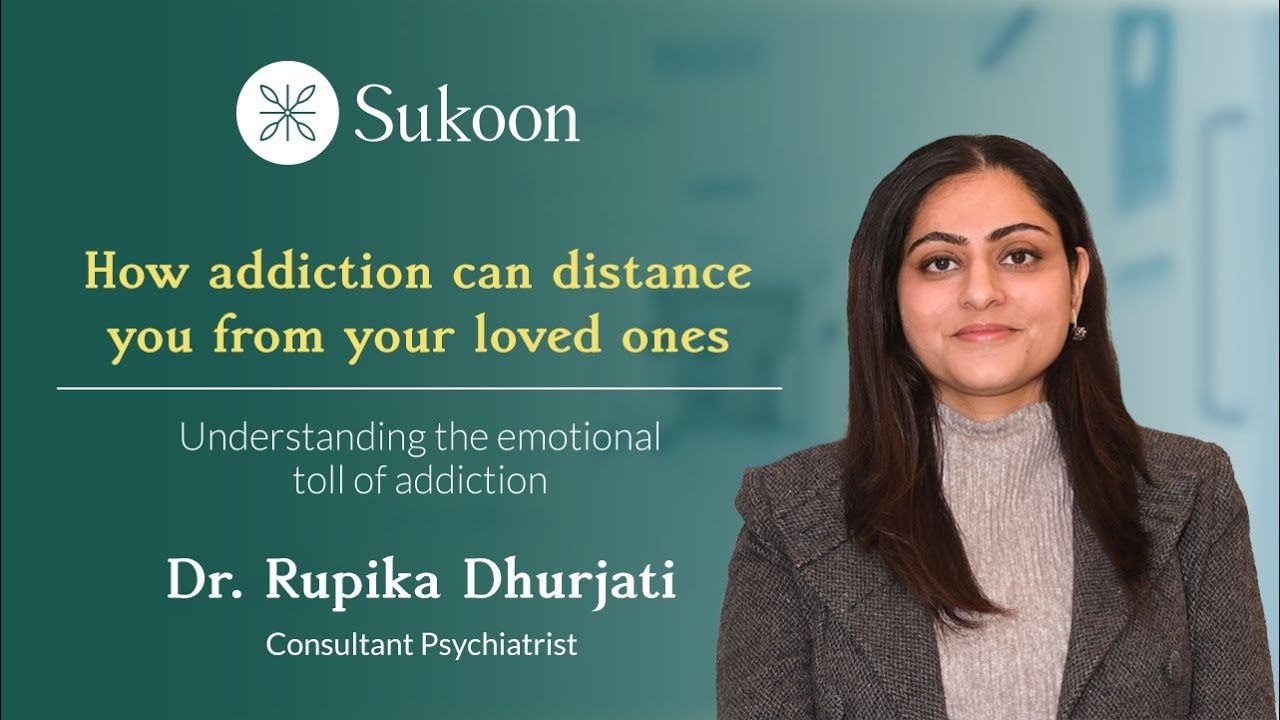
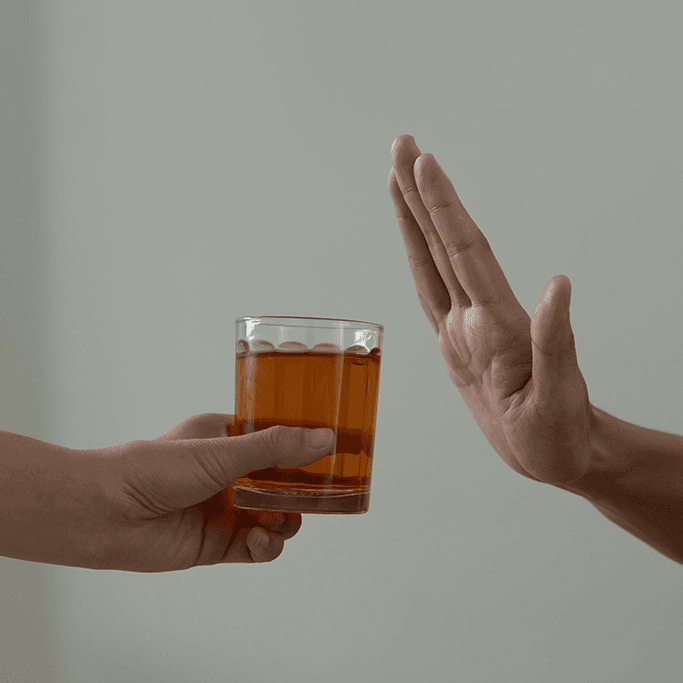
Alcohol cravings are more common than most people realise. If you’re someone who struggles with alcohol abuse or is trying to cut down their drinking, understanding why these cravings happen can make a huge difference. Once you know the triggers, it becomes easier to manage them with confidence and compassion. Alcohol cravings don’t come from just one place. They’re usually a mix of social habits, emotions, and even biology. Here are some everyday reasons people feel that pull toward a drink: Social and Cultural Norms: Peer Pressure: For many, alcohol becomes a quick escape from stress, anxiety, or emotional pain. When life feels heavy, the brain starts craving what brought temporary relief earlier. Family History and Genetics: Marketing and Advertising: Availability and Accessibility: Mental Health Concerns: Financial or Work Stress: Traumatic Life Event: Can Addiction build a wall between you and your loved ones? Watch this AMA with Dr. Rupika Dhurjati to learn more. It really helps to understand the difference between cravings and urges, especially when you’re trying to deal with alcohol disorders. Both can feel uncomfortable, but knowing what you’re dealing with makes coping a lot easier. Cravings are usually stronger and more specific, such as a strong desire for a drink because your mind associates it with relief or comfort. Urges, on the other hand, are more general impulses, like the feeling of wanting to “do something” to distract yourself or escape from a moment. Both can feel powerful, and that’s completely normal. These experiences don’t mean you’re weak or failing. They’re just signals from your brain based on old patterns. The reassuring part? Cravings and urges can be managed. With the right support and coping strategies, you can ride them out and stay in control. Every time you do, you’re building strength, resilience, and healthier habits for the long run. Sukoon Suggests: When alcohol starts affecting life, seeking support is not an option; it is mandatory! Take back control - one craving at a time, with Sukoon’s expert alcohol abuse treatment by your side.Triggers for Alcohol Cravings
In India, alcohol use has slowly become a common part of celebrations, get-togethers, and weekends. When drinking feels “normal” everywhere you go, it’s natural for cravings to increase.
Whether it’s college groups, office parties, or weddings, alcohol can feel impossible to avoid. Saying no becomes harder when everyone around you is encouraging you to join in.
If alcohol abuse runs in your family, your brain and body might be more sensitive to cravings. Genetics can influence how strongly someone responds to alcohol.
Catchy ads, glamorous portrayals, and feel-good messaging can subtly influence alcohol abuse. When alcohol is shown as a way to relax, celebrate, or belong, it’s easy to feel tempted.
From local shops to roadside vendors, alcohol is widely accessible. The easier it is to get, the tougher it becomes to resist cravings, especially during vulnerable moments.
Conditions like anxiety, depression, or trauma can make alcohol cravings stronger. Alcohol may seem like a coping tool, even though it often makes things harder in the long run.
Money and relationship problems, job pressure, or unemployment can push people toward drinking as a temporary escape, thus inadvertently leading to alcohol disorders. This is especially relevant in India, where economic stress affects many families.
Experiencing loss, abuse, or major life stress can push people to use alcohol as a coping mechanism, increasing the risk of dependence. In India, where emotional struggles are often kept private, trauma can have a powerful impact on drinking habits.
Break The Silence
The Difference Between Cravings and Urges
Developing a Mindset to Combat Alcohol Abuse
Building the right mindset is the first step toward overcoming alcohol abuse. It involves understanding the triggers, staying motivated, and committing to small, consistent changes that lead to lasting improvement. Start by being honest with yourself. Notice how alcohol abuse is affecting your health, relationships, or opportunities. This awareness is the first gentle nudge toward real change. Take a moment to check in with yourself. Journaling or speaking with a therapist can help you understand your patterns, triggers, and the deeper reasons you want to stop abusing alcohol. Break down your alcohol rehabilitation into small, doable steps. Maybe start with a week alcohol-free, then build from there. Celebrate the wins. Treat yourself to a favourite meal, a new book, a movie night, or a small outing when you hit your goals. Small rewards can keep you motivated and remind you that progress matters. Alcohol recovery isn’t a straight line. Withdrawals, cravings, or setbacks can happen. Be kind to yourself. Talk to yourself the way you would to a friend, gently, with understanding.Recognising the Need for Change
Pause and Reflect
Setting Achievable Goals
Reward System
Cultivating Self-Compassion
Maintenance and Long-Term Strategies
Celebrating Achievements:
Take a moment to appreciate every win, big or small. Finished a tough week without drinking? Managed a craving? That’s huge! Celebrating your progress (by listening to favourite music, eating a favourite snack, etc.) keeps you motivated and reminds you that you’re moving in the right direction.
Continuous Self-Assessment and Improvement:
Now and then, pause and ask yourself how you’re doing. What’s working? What’s stressing you out? Which coping skills helped, and which ones need a little tweaking? This gentle self-check keeps you growing and adapting as life changes.
Staying Connected to Support Networks in India:
Keep leaning on your people – friends, family, support groups, and anyone who gets your journey. Talk to them about your progress and your hard days. Staying connected not only keeps you accountable, but it also reminds you that you’re not walking this path alone. Support groups in India can also help you connect with others who understand your alcohol abuse experience.
Turning to Experts for Recovery
If cravings feel overwhelming or self-compassion feels tough, reach out to a therapist or doctor. India has trained professionals who can support you with detox from drinking alcohol and guide you safely.
Cultivating Patience
Alcohol recovery takes time. Practise mindfulness when cravings appear. Notice them, breathe, and remind yourself they will pass. They always do.
Learn from Relapses
A relapse isn’t failure, it’s feedback. It helps you understand what triggered it, so you can adjust your strategies and move forward with more clarity.
Evidence-based relapse-prevention methods show that recognising patterns early can reduce future episodes. With structured guidance and the right support, every setback becomes a powerful step toward lasting recovery.
Stay Committed
Keep reminding yourself why you want to change. Reconnect with your reasons often; they’ll keep you grounded and focused.
Proven Strategies for Managing Alcohol Cravings
Cognitive‑Behavioural Therapy (CBT)
CBT helps you recognise triggers, rethink unhelpful thoughts, and develop practical coping skills. Research on CBT shows it is an effective part of therapy for alcohol addiction and also prevents relapse.
Motivational Enhancement Therapy (MET)
MET focuses on boosting your own motivation to change. It helps resolve mixed feelings about drinking and encourages commitment to recovery goals.
Mindfulness‑Based Techniques
Practices like mindfulness meditation teach you to observe cravings without acting on them. Studies show this approach reduces stress and helps manage urges more effectively.
Positive Reinforcement & Lifestyle Changes
Strategies like rewarding sobriety or engaging in fulfilling, sober activities (Community Reinforcement Approach) can strengthen recovery. Research indicates that individuals are more likely to maintain sobriety when their environment fosters it.
Medications
Certain medications, like naltrexone, reduce cravings by changing how the brain responds to alcohol. They work best alongside counselling or therapy.
Digital & App‑Based Support
Mobile apps and online programs can provide daily support, track progress, and reinforce coping strategies based on CBT or mindfulness.
The 12-Step Program
The 12-Step Program provides a structured, supportive path for individuals working toward recovery from addiction. It focuses on acceptance, healing, and long-term emotional growth.
-
Acceptance and hope: Acknowledge the impact of addiction and open up to support beyond oneself, including inner strength, values, or a higher power.
-
Self-reflection: Gently review past behaviours, recognise patterns, and take responsibility in a non-judgemental way.
-
Making amends: Where possible, repair relationships and address harm caused, supporting emotional closure and trust-building.
-
Ongoing growth: Practise regular self-awareness, emotional regulation, and spiritual or personal reflection.
-
Service and purpose: Support others in recovery and apply these principles in daily life to strengthen one’s own recovery.
The 12-Step Program is often used alongside professional therapy and medical care, offering peer support and structure throughout the recovery journey.
Sukoon Suggests: As you recover, keep yourself busy with fun, healthy activities or new experiences to stay focused and steer clear of old, harmful habits. |
Caregivers Need Care Too
Supporting someone with alcohol abuse can be quite a lot. In those times, make sure to remember that your well-being matters just as much as theirs. Here are some tips to see to it that you take care of yourself like you take care of your loved one. Caring for someone struggling isn’t always simple, but small, thoughtful steps can make a big difference. Here are a few tips that we have collated: Take short daily breaks to rest and recharge; even a few minutes can ease stress. Ask for help: From family, friends, or community services. Caregiving isn’t meant to be a solo journey. Set realistic expectations: So you don’t get overwhelmed or feel unnecessary guilt. Stay connected: With friends, support groups, or other caregivers to avoid emotional isolation. Maintain healthy routines: Get regular sleep, proper nutrition, and simple movement to care for your body. Remember: Your well-being matters just as much as the person you’re caring for.Tips For Caregivers
Seeking Professional Help in India
Getting help isn’t a last resort. It’s a strong, smart step. India has trained therapists, counsellors, addiction specialists, and doctors who can guide you with personalised support and structured care to manage alcohol abuse. Reaching out can make cravings easier to manage and recovery feel less overwhelming. Knowing When to Reach Out: Who You Can Turn To: Therapists and Counsellors: Addiction Specialists: Medical Professionals: Why Professional Support Helps Personalised Plans: Accountability: Expert Knowledge: Sukoon Suggests: Professional support gives you a plan that fits your life, regular check-ins to stay on track, and expert tools to handle cravings and stay sober.
If your alcohol cravings feel hard to control, are affecting your daily life, or you’re feeling stuck, it’s a good time to seek support. You don’t have to wait for things to get worse.
Professionals who specialise in alcohol withdrawal treatment will help understand the emotional side of cravings, explore root causes, and build healthier coping skills.
Experts who create structured treatment plans, offer guidance, and connect you to support groups to recover from alcohol abuse.
Psychiatrists or physicians can help with medication-assisted treatment, monitor withdrawal safely, and support both mental and physical health.
You get strategies that fit your life, not generic advice
Regular check-ins keep you focused and motivated.
Professionals bring evidence-based tools that make cravings easier to manage, alcohol recovery, and sobriety more sustainable. Trained experts who are experienced in managing such disorders will understand you more than a friend who might be able to provide you with only emotional support.
Hope is Always Around
On the journey of managing alcohol cravings, a few things truly make a difference: knowing your triggers, reaching out for help, building strong coping skills, and staying connected to people who care. And in India, we’re lucky to have supportive practices like yoga, meditation, and Ayurveda that blend beautifully with modern treatment. Yes, the path can be challenging, but it’s also a journey of growth and strength. Every step forward counts. Celebrate the small wins, and view setbacks as part of learning and not failure! And remember, you don’t have to walk this path alone. Your family, friends, and trusted professionals are always there to support you. At Sukoon, we make sure you feel supported at every stage. Our experts create treatment plans that fit your needs, and our round-the-clock care ensures you’re never without help when you need it. With compassion, structure, and the right guidance, recovery becomes not just possible, but achievable. With determination and the support around you, you can look ahead to a healthier, happier, alcohol-free future where you can truly thrive.
FAQs About Combating Alcohol Abuse in India
How to treat alcohol abuse in India? How to recover from alcohol abuse? Is alcohol abuse a disease? How to manage cravings for alcohol? What are the four steps of recovery from alcoholism? Acknowledgement: Recognising the need for change. Detox & Stabilisation: Managing withdrawal safely with medical care. Therapy & Skill Building: Learning coping strategies and understanding root causes. Maintenance: Long-term support, healthy routines, and relapse prevention. Regular check-ins with professionals help track progress and adjust treatment when needed. Strong family involvement and community support further strengthen long-term recovery. How long does it take to reset your body from alcohol? Can your brain recover from alcohol abuse? Can a psychiatrist help with alcohol addiction? How does culture in India affect alcohol cravings and recovery? When should someone seek professional help? How does therapy help with alcohol abuse?
Alcohol abuse is treated through a mix of medical support, therapy, lifestyle changes, and strong family involvement. Treatment usually includes detox, counselling, medication (when needed), support groups, and relapse-prevention planning. Centres like Sukoon offer personalised, evidence-based care along with 24/7 medical support. These treatments work together to address both physical dependence and emotional well-being. With consistent support, long-term recovery becomes achievable.
Alcohol Recovery involves recognising triggers, learning coping skills, building a support system, and seeking professional help. Therapy helps address emotional and behavioural patterns, while structured treatment speeds up recovery. Consistency, patience, and support from loved ones make recovery sustainable. Healthy routines and mindfulness practices also strengthen long-term progress. With the right care, lasting recovery is absolutely possible.
Yes. Alcohol Use Disorder (AUD) is recognised globally as a chronic medical condition. It impacts brain chemistry, decision-making, and emotional regulation. Like diabetes or hypertension, it needs proper treatment, not shame, guilt, or self-blame. With timely care, people can recover and lead healthy, fulfilling lives. Treatment combines medical, psychological, and social support. Early intervention greatly improves long-term outcomes.
Identify your personal triggers, reach out to specialists who can devise a plan for you, practise grounding techniques, stay connected to supportive people, and avoid high-risk environments. Yoga, breathing exercises, mindful distractions, and therapy-based coping skills can significantly reduce craving intensity. Building a daily routine also helps create stability and lowers temptation. Keeping a cravings journal can help you notice patterns and stay prepared. If cravings feel overwhelming, reaching out to a therapist or support group can provide immediate guidance and reassurance.
Alcohol Detox can take 3-14 days, depending on usage. But full recovery, better sleep, improved mood, and more energy may take weeks to months. The brain and body continue strengthening over time with sobriety, support, and therapy. Cravings gradually decrease as your system stabilises and healthy habits form. Emotional clarity also improves as the brain begins to improve. With consistent support, each stage of recovery becomes easier to manage.
Absolutely. The brain begins recovery within weeks of stopping alcohol. With therapy, good nutrition, movement, and stable routines, cognitive functions like memory, focus, and emotional balance improve significantly. Sleep quality also improves as the nervous system resets. Over time, reduced stress levels and better emotional regulation make day-to-day life feel more manageable and fulfilling.
Yes. Psychiatrists play a key role in assessing severity, managing withdrawal, prescribing medication if needed, and offering therapy for cravings, stress, and co-existing mental health concerns like anxiety or depression. They also help identify underlying triggers and create a personalised treatment plan. Regular follow-ups ensure progress is monitored and medications are adjusted safely. Their guidance provides stability, reassurance, and long-term direction throughout recovery.
Social events, stress, peer pressure, and easy availability make cravings stronger. But India also offers powerful recovery tools like yoga, meditation, Ayurveda, and strong family networks. When used positively, they support long-term sobriety. Social events, stress, peer pressure, and easy availability can make cravings stronger. But India also offers powerful recovery tools (like yoga, meditation, Ayurveda, and strong family networks) when used positively, which provide deep emotional grounding and long-term sobriety support.
If cravings feel uncontrollable, relationships are strained, daily functioning is affected, or drinking feels difficult to stop, professional help is essential. Early intervention makes recovery faster and safer. If cravings feel uncontrollable, relationships are strained, daily functioning is affected, or stopping alcohol feels difficult, it’s important to seek professional help. Early intervention not only makes recovery safer but also significantly speeds up rehabilitation.
Therapy helps identify emotional triggers, teaches coping skills, supports behaviour change, and builds long-term resilience. It also supports families and caregivers, helping them understand how to offer healthy, non-judgmental support. Therapy also strengthens communication, helping individuals express their needs more clearly. Over time, it builds confidence to handle cravings, stress, and setbacks. With consistent sessions, people develop healthier thought patterns and a more stable emotional foundation.





+91 8448156500

+91 1244265238


admissions@sukoonhealth.com

Menu