


Back
What Is Rehabilitation? A Complete Guide To Recovery, Treatment, And Choosing The Right Rehab In India
4 Min Read
Table of contents
- Let's Talk About Rehabilitation
- What Is Rehabilitation?
- How Is Rehabilitation Different from Regular Hospital Treatment?
- What Conditions and Circumstances Lead Someone to Rehabilitation?
- Signs That Someone May Need a Rehabilitation Programme
- What It Feels Like to Be Told Rehabilitation Is Needed
- How Is Someone Assessed Before Entering Rehabilitation?
- What Does A Rehabilitation Programme Involve?
- When Is the Right Time to Consider Rehabilitation?
- The Role of Family in Mental Health Rehabilitation
- Hope Is Always Around
- FAQs
- Bibliography
Table of contents
Let's Talk About Rehabilitation
There is a moment many families recognise. A call that comes in the middle of the night. A realisation that outpatient appointments and quiet conversations are no longer enough. Something has shifted, and it is frightening to name. Rehabilitation is often misunderstood. Some families associate it with loss of freedom. Others worry it means something has gone permanently wrong. Many simply do not know what a rehabilitation programme looks like from the inside. This guide is for families asking these questions. It explains what rehabilitation is, what it involves, and how to find the right support. Let us understand this better.
What Is Rehabilitation?
Rehabilitation, in a mental health and addiction context, is a structured, individualised treatment programme. It supports individuals whose mental health or substance use symptoms are affecting their day-to-day functioning enough to need intensive, multidisciplinary treatment with or without a formal diagnosis. The World Health Organization defines rehabilitation as "a set of interventions designed to optimise functioning and reduce disability in individuals with health conditions in interaction with their environment." In practice, this means helping a person improve everyday functioning, restore relationships, develop coping skills, and regain the independence needed to sustain recovery. The need is significant in India. A 2024 study in the Indian Journal of Psychiatry estimated that over 57 million Indians experience alcohol use disorder alone. Formal rehabilitation services remain concentrated in a small number of cities. The gap between need and access is one of the defining challenges of mental healthcare in India today. A rehabilitation centre is a residential or structured outpatient facility where individuals receive multidisciplinary care for mental health diagnoses, substance use disorders or both. Rehabilitation aims not only to reduce symptoms but also to improve functioning across important areas of life, including relationships, work or education, physical health, independent living, and overall quality of life. The environment itself matters. Residential settings are designed to remove a person from the triggers and stressors of daily life, creating space for sustained clinical work.What Is A Rehabilitation Centre?
How Is Rehabilitation Different from Regular Hospital Treatment?
A psychiatric hospitalisation focuses on stabilising a crisis. Medical safety first. Once achieved, discharge follows. Rehabilitation begins where hospitalisation ends. It addresses the underlying patterns, triggers, thought processes, and social circumstances that led to the crisis in the first place. Aspect Hospitalisation Rehabilitation Primary goal Crisis stabilisation Sustained recovery and functioning Duration Days to weeks Weeks to months Family role Limited Central to the process Therapeutic focus Medical management Psychological, social, behavioural Discharge criteria Medical stability Functional milestones
What Conditions and Circumstances Lead Someone to Rehabilitation?
Alcohol dependence, drug dependence (including opioids, cannabis, and stimulants), and polydrug use are among the most common reasons people enter a rehabilitation programme in India. An alcohol and drug rehabilitation centre combines medically supervised detoxification with structured therapeutic work on the psychological drivers of use. At Sukoon Health, this is delivered through the D2R+ (Detox to Relapse-Free) programme. D2R+ is built around a single question: how does a person build a life that does not need substances? It addresses withdrawal, craving management, relapse prevention, and the social rebuilding that makes long-term recovery livable. Individuals living with mental health conditions such as schizophrenia, bipolar disorder, or severe depression sometimes benefit from periods of structured residential rehabilitation, particularly when the condition has significantly disrupted daily functioning and outpatient support alone has not been sufficient. Substance use disorders are themselves a form of mental illness, and it's common for them to occur alongside other mental health conditions. This overlap is sometimes called dual diagnosis A person may use alcohol to manage anxiety or depression. Or a severe mental health episode may be worsened by substance use. Rehabilitation programmes that address both conditions simultaneously tend to produce better outcomes than those focused on just one. The environment a person returns to after stabilisation matters enormously. If someone is returning to the same relationships, pressures, or living conditions that contributed to their crisis, the risk of relapse is high. Residential rehabilitation creates a period of structured distance from those environments, giving time and space to develop new coping strategies.Substance Use and Addiction
Severe Mental Health Conditions
Co-occurring Conditions
Environmental and Social Factors
Signs That Someone May Need a Rehabilitation Programme
Deciding to seek rehabilitation is rarely straightforward. Families often wait longer than they feel they should, hoping things will improve on their own. These signs may indicate that a higher level of care is worth discussing with a clinician: Repeated attempts to manage substance use or symptoms independently, without lasting change Multiple hospitalisations without sustained improvement between admissions Significant deterioration in daily functioning: work, relationships, self-care High risk of harm if the current level of support is maintained Co-occurring mental health and substance use diagnoses not responding to outpatient care Persistent inability to stay safe within the community Repeated relapses despite adequate outpatient treatment Family members who are exhausted and no longer able to manage safely at home If several of these sound familiar, a conversation with a clinical professional is the right next step. MERA Sukoon (Mental Health Emergency Response and Admission) is available around the clock: +91 84481 56500. PAUSE. TAKE A MOMENT OF SUKOON FOR YOURSELF. Reading through this kind of information can feel heavy. If someone close has been struggling, please know that looking for answers is itself an act of care. This does not have to be figured out alone.
What It Feels Like to Be Told Rehabilitation Is Needed
For the individual, the suggestion of rehabilitation can arrive with a complicated mix of feelings. Relief that someone has finally named what is happening. Fear about what it will mean for work, family, and identity. Shame, even when the clinical team speaks with care. In India, this can be particularly acute. The stigma around mental health and addiction is real and often contributes to delayed help-seeking. The worry that someone will find out, that the family name will be affected, that recovery will require a public acknowledgement that feels impossible: these concerns are legitimate. A good mental health, drug, or alcohol rehabilitation centre takes them seriously. Rehabilitation is not a punishment. It is not a sign of failure. It is a clinical decision, made based on what will give a person the best possible chance of recovery. Sukoon Suggests: Speaking to a consultant psychiatrist for an independent assessment is a practical first step, before any decision about admission needs to be made.
How Is Someone Assessed Before Entering Rehabilitation?
Before a person enters a rehabilitation programme, a structured clinical assessment takes place. This typically involves: A psychiatric evaluation to understand the nature and severity of the diagnosis or substance use disorder A physical health assessment, particularly where substance use has affected physical health Standardised psychological assessments and screening measures, where clinically indicated A review of previous treatment history, including what has helped and what has not Family input, where possible and appropriate This assessment shapes the individual treatment plan. No two plans are identical, because no two people present in the same way.
What Does A Rehabilitation Programme Involve?
Residential rehabilitation involves living at the facility for the duration of the programme. Recommended for individuals with high relapse risk, co-occurring conditions, or an unsupportive home environment. Day programmes allow structured therapeutic activities during the day, with a return home in the evening. This works well for those with a stable home environment and moderate clinical need. Psychosocial rehabilitation is a community-based approach that helps individuals develop the practical and social skills needed for independent living. Often used following a period of residential care. Vocational rehabilitation addresses the return to work or study, helping individuals manage professional pressures in the context of their recovery. Structure is central to the rehabilitation process. A typical day might include: Morning routine and group check-in Individual therapy with a psychiatrist or psychologist Group therapy: relapse prevention, emotional regulation, interpersonal skills Occupational therapy: activities to rebuild daily living skills and address functional impact Recreational time: structured activities for physical and social wellbeing Evening group session or family session Medical review, where required The purpose of structure is not rigidity. It is to provide a predictable, safe environment in which someone can do difficult psychological work without being overwhelmed. Take a Virtual Tour of Sukoon Recovery Centre A rehabilitation programme is delivered by a team, not a single clinician. At the Sukoon Recovery Centre in Chhatarpur, the multidisciplinary team includes: Addiction Psychiatrists oversee medical management and treatment planning Clinical psychologists leading individual and group therapy Counselling psychologists supporting emotional recovery Social workers addressing family and social dimensions Occupational therapists supporting functional recovery Nursing staff providing continuity of care Recreational and yoga therapists supporting physical and emotional wellbeing Note: Not everyone will require every component of rehabilitation. Treatment intensity, duration, and interventions are tailored according to each person's clinical needs, goals, and progress. Sukoon Health has treated over 85,000 people across its NABH-accredited inpatient facilities. 83% of individuals report measurable improvement within two weeks of treatment. Many programmes run for 30, 60, or 90 days. Some individuals benefit from extended care. Others are ready to step down to outpatient support sooner. The clinical team assesses readiness for discharge based on functional milestones: stability in mood and behaviour, demonstrable relapse prevention skills, a safe home environment, and a clear aftercare plan. Note: Not everyone will require every component of rehabilitation. Treatment intensity, duration, and interventions are tailored according to each person's clinical needs, goals, and progress. Sukoon Suggests: Recovery outcomes consistently improve when a clear aftercare plan is agreed upon before discharge, not after. Ask any programme about this before admission. Connect with us.Levels Of Care
Types of Rehabilitation Programmes
What A Typical Day In Residential Rehabilitation Looks Like
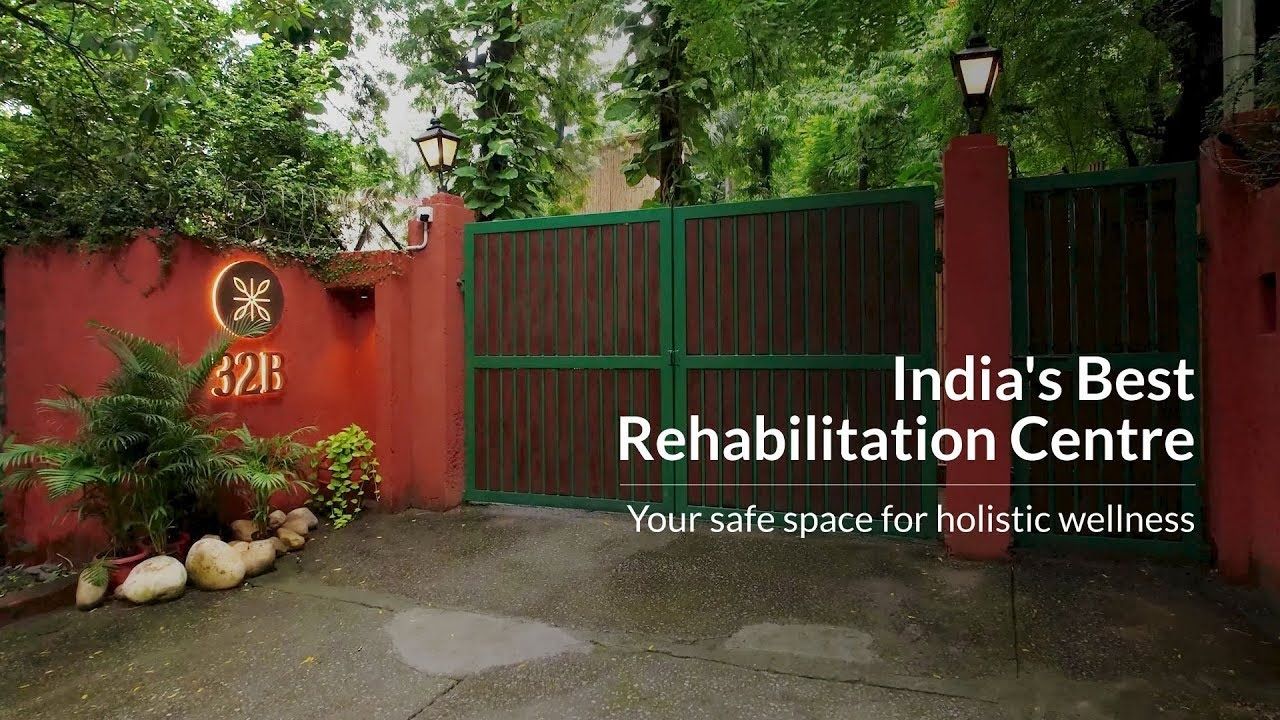
De-addiction Centre in Delhi | Sukoon Recovery Centre
The Multidisciplinary Team
How Long Does Rehabilitation Take?
When Is the Right Time to Consider Rehabilitation?
The right time is often sooner than most families feel ready for. The longer a severe mental health condition or substance use disorder goes without adequate treatment, the more entrenched the patterns become, and the more complex recovery becomes. Waiting is understandable. The decision involves practical questions: work, finances, family responsibilities, stigma. But if outpatient care is not producing meaningful improvement, and functioning is deteriorating, rehabilitation is the clinically appropriate next step. Not a last resort. Is the facility NABH accredited? What does the assessment and treatment planning process involve? How is the care plan individualised? How is the family kept informed during the programme? What does the aftercare plan look like? Does the facility have experience with co-occurring conditions? Is there a crisis support line available outside programme hours? The National Accreditation Board for Hospitals and Healthcare Providers (NABH) is India's healthcare quality body. NABH accreditation means a facility meets defined standards for clinical care, patient safety, and governance. It is a meaningful quality marker. Sukoon Health is NABH-accredited. Costs vary significantly depending on the facility, duration of stay, and level of care. Many families are unaware that mental health rehabilitation may be covered, partially or fully, by health insurance. Following the Mental Healthcare Act 2017, insurance parity for mental health is now a legal requirement in India. Sukoon Health was the first mental healthcare provider in India to offer cashless insurance for inpatient psychiatric care. Rehabilitation focuses on helping individuals regain skills, build confidence, and progress towards greater independence with the right support.What Questions Should Be Asked Before Admission?
What Is NABH Accreditation and Why Does It Matter?
How Much Does Mental Health Rehabilitation Cost in India?
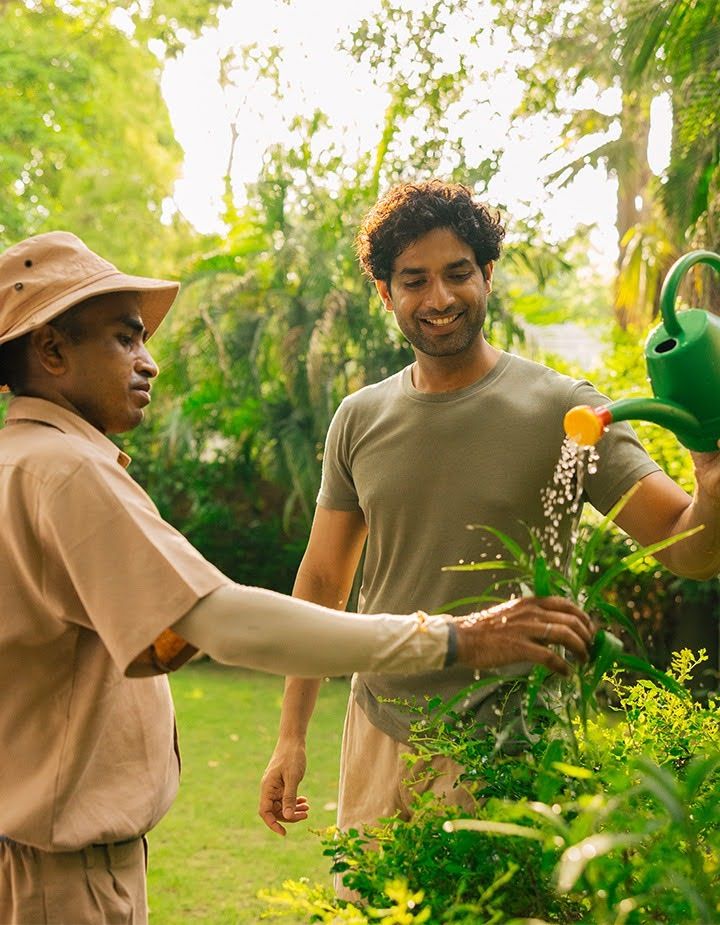
The Role of Family in Mental Health Rehabilitation
Family involvement is not optional in rehabilitation. It is clinical. Research consistently shows that recovery outcomes are better when families are actively engaged. This is true across substance use disorders and severe mental health diagnoses. Structured family therapy sessions give family members the opportunity to: Understand the condition and its clinical basis Address relational dynamics that may have been affected by it Develop new ways of communicating and responding These sessions are facilitated by a trained therapist. They are not about blame. They are about building the understanding and skills that will matter most after discharge. Psychoeducation is education about the nature of a mental health condition or substance use disorder: what it is, what causes it, how it progresses, and what treatment involves. When families understand what they are dealing with, they are better equipped to respond helpfully rather than in ways that inadvertently increase risk. Sukoon's programme includes structured psychoeducation as part of the family strand. The period immediately following discharge is high-risk. The individual is returning to their ordinary environment, often with the same triggers and stressors present before. Practical family support looks like: Maintaining a calm, predictable home environment Attending follow-up appointments together where possible Knowing the early warning signs that preceded the previous crisis Having a clear plan for what to do if those signs return A good rehabilitation programme does not discharge someone without a comprehensive aftercare plan in place. Sukoon Suggests: Families who write down two or three early warning signs from before the last crisis often find it easier to respond quickly if those signs return. Connect with us.Family Therapy During Rehabilitation
Psychoeducation for Families
Supporting Recovery After Discharge
Hope Is Always Around
Recovery from addiction or a severe mental health diagnosis is not a straight line. There will be difficult days. But with the right support, at the right level of care, at the right time, meaningful recovery is possible. Thousands of individuals and families in India have walked this path. At Sukoon Health, the clinical team is here, with evidence-based care and the kind of quiet support that makes a difference when it matters most. MERA Sukoon is available around the clock: +91 84481 56500.
FAQs
Mental health rehabilitation is a structured clinical programme that supports individuals with addiction, severe mental health diagnoses, or both to rebuild daily functioning and reduce the risk of relapse. It addresses the psychological, biological, and social dimensions of recovery, going well beyond crisis stabilisation. Explore the Sukoon Recovery Centre in Chhatarpur. A rehabilitation programme typically includes individual therapy, group therapy, medical monitoring, occupational therapy, recreational activities, and structured family involvement. The specific combination is tailored to each person's clinical needs. Read about Sukoon's alcohol de-addiction programme. Inpatient rehabilitation involves living at the facility for the duration of the programme. Day programmes allow individuals to attend structured activities during the day and return home in the evening. The appropriate option depends on the severity of the condition, the home environment, and the level of relapse risk. Understand more at the Sukoon Recovery Centre. Psychosocial rehabilitation is a community-based approach that helps individuals with mental health diagnoses develop practical, social, and occupational skills for independent living. It is often used following a period of residential care, particularly for individuals living with schizophrenia or severe mood disorders. Most programmes run for 30 to 90 days. Some individuals benefit from extended care. The clinical team assesses readiness for discharge based on functional milestones rather than a fixed timeline. Aftercare planning begins well before discharge. Discharge is followed by a structured aftercare plan that includes outpatient therapy appointments, medical follow-up, family support planning, and access to a crisis line. The period following discharge is considered high-risk, and continuity of care is essential. Read about Sukoon's drug de-addiction services. When evaluating a rehabilitation centre, look for NABH accreditation, a multidisciplinary clinical team, an individualised treatment approach, structured family involvement, and a comprehensive aftercare plan. The Sukoon Recovery Centre at Chhatarpur, New Delhi, is NABH-accredited and has supported over 85,000 people across its inpatient facilities. [Download the Outcomes Document to read the data →] If someone is struggling with alcohol addiction, seeking professional support as early as possible can make a meaningful difference. Begin by searching for an alcohol addiction centre near me where they can access comprehensive care tailored to their needs. At Sukoon Health, treatment is provided through a multidisciplinary team of psychiatrists, psychologists, therapists, and addiction specialists who work together to understand the individual's unique situation. Depending on the severity of the addiction, treatment may include medically supervised detoxification, therapy, family support, relapse prevention strategies, and personalised recovery planning. Reaching out for help is often the first step towards rebuilding a healthier and more balanced life. Family involvement is central to recovery. Structured family therapy and psychoeducation during the programme, combined with active family support after discharge, are among the strongest predictors of sustained recovery. Explore habit de-addiction services at Sukoon. Yes. The rehabilitation programme at the Sukoon Recovery Centre in Chhatarpur, New Delhi, includes structured family therapy sessions and psychoeducation as part of the care plan. Families are partners in recovery, not observers. Reach the team any time: MERA Sukoon, +91 84481 56500.What is mental health rehabilitation?
What does a mental health rehabilitation programme involve?
What is the difference between inpatient and outpatient rehabilitation?
What is psychosocial rehabilitation, and who is it for?
How long does mental health rehabilitation take?
What happens after completing a residential rehab programme?
Which is the best mental health rehabilitation centre in India?
Where to go if someone has an alcohol addiction?
What is the role of family in mental health rehabilitation?
Does Sukoon Health offer family counselling as part of rehabilitation?
Bibliography
Addressing India's alcohol misuse crisis — Indian Journal of Psychiatry, 2024 Mental Healthcare Act India — Ministry of Health and Family Welfare, Government of India, 2017 Psychosocial Rehabilitation Resources — NIMHANS Dual Diagnosis and Substance Use — Indian Journal of Psychiatry DSM-5: Substance-Related Disorders — American Psychiatric Association ICD-11 Mental Disorders — World Health Organisation





+91 8448156500

+91 1244265238


admissions@sukoonhealth.com

Menu
