


In person mental health support available in Delhi, Gurgaon, Bangalore and Hyderabad
Safe, Steady Care To Guide You Through Claustrophobia in Bangalore
Discover calming, personalised care plans shaped by our team of mental health experts.
Call Us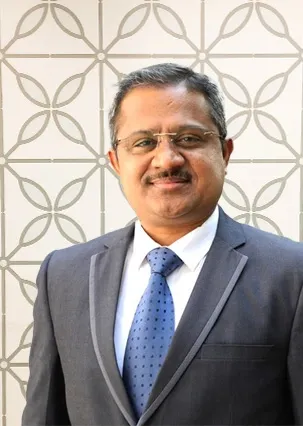
Clinically Reviewed by : Dr. Satish Ramaiah
Executive Director, Psychiatry Services, Sukoon Health
Small Space, Big Fear. Recognise This Feeling?
Claustrophobia is a specific phobia where enclosed or confined spaces trigger intense fear or anxiety. It can appear in everyday situations such as elevators, small rooms, or crowded places, often activating the body’s fight-or-flight response.
In the DSM-5, it falls under Specific Phobia (Situational Type) within Anxiety Disorders. The fear is persistent, out of proportion to actual danger, lasts six months or more, and leads to avoidance or significant distress.
With the right therapy and coping strategies, it’s possible to manage claustrophobia and feel calm and safe again.
Claustrophobia symptoms can show up as:


Your feelings are valid. Your struggles are seen. Your journey matters.
How We Support Your Claustrophobia Treatment at Sukoon
Introducing A2R+ (Acute to Recovery Plus) Model of Recovery
A structured 3-phase model, developed by Sukoon, makes residential psychiatric care easier and guides each stage smoothly. This evidence-based approach supports thorough treatment, steady recovery, and a comfortable return to everyday life for every resident.
How We Support Your Claustrophobia Treatment at Sukoon
Introducing A2R+ (Acute to Recovery Plus) Model of Recovery
A structured 3-phase model, developed by Sukoon, makes residential psychiatric care easier and guides each stage smoothly. This evidence-based approach supports thorough treatment, steady recovery, and a comfortable return to everyday life for every resident.
Stage 1 - Acute Phase
Addressing the immediate crisis
 Urgent symptom management & stabilisation.
- Ensuring patient safety and intensive support.
- Sets the foundation for the next phases of Claustrophobia treatment.
Stage 2 - Stabilise Phase
Reducing symptoms and developing coping strategies
- Focus on self-awareness, emotional skills & interpersonal recovery
- Safe therapeutic relationships that support change
- Developing effective coping mechanisms
- Make sure to keep the trigger of the person away from them, providing them enough space.
- Gradually start with exposure treatment
Stage 3 - Embed Phase
Preparing for long-term stability
- Focus on relapse-prevention and long-term well-being
- Build strong support systems - family, community, and aftercare
- Prepares for a successful community transition
Stage 1 - Acute Phase
Addressing the immediate crisis
- Urgent symptom management & stabilisation.
- Ensuring patient safety and intensive support.
- Sets the foundation for the next phases of Claustrophobia treatment.
Stage 2 - Stabilise Phase
Reducing symptoms and developing coping strategies
- Focus on self-awareness, emotional skills & interpersonal recovery
- Safe therapeutic relationships that support change
- Developing effective coping mechanisms
- Make sure to keep the trigger of the person away from them, providing them enough space.
- Gradually start with exposure treatment
Stage 3 - Embed Phase
Preparing for long-term stability
- Focus on relapse-prevention and long-term well-being
- Build strong support systems - family, community, and aftercare
- Prepares for a successful community transition
What Makes A2R+ Unique?

Science-Backed Approach
Each phase is designed to address specific needs, is grounded in neuroscience and validated by scientific research.


Science-Backed Approach



Science-Backed Approach
Each phase is designed to address specific needs, is grounded in neuroscience and validated by scientific research.

Meet Our Multidisciplinary Team
Led by experienced specialists in Bangalore, we offer personalised Claustrophobia care at our Sukoon Psychiatric Centre in Bangalore.
Psychiatrists
Psychologists
PSW
Psychiatrists
Psychologists
PSW



Stories Of Hope
Hear from those who walked the path of recovery from Claustrophobia.

T
Tanvi Rao
Tight spaces used to set off an immediate physical reaction for me. My chest would feel heavy, my breathing would speed up, and I would scan for the nearest exit. Elevators and small rooms became things I carefully avoided. With Sukoon’s therapist, I learned to slow my breathing, ground myself, and face these moments gradually. There was no pressure, only steady support. Over time, the panic reduced, and I started feeling safe in places that once felt overwhelming.


Frequently Asked Questions
What do Clinical Experts say about Sukoon Health
A testament to our holistic mental health treatments
S
Green Oak Initiative
Dr. Sowmya Krishna
Consultant Psychiatrist
Inpatient Psychiatry in India is always equated to an asylum kind of care but I have seen Sukoon and met with the founders, and their vision seems to be very aligned to what a lot of our patients want and what our families want.
Find us
Visit our facility for in-person consultations and care.
We are here for you
Take the first step towards recovery today.



+91 8448156500

+91 1244265238


admissions@sukoonhealth.com

Menu