





In person mental health support available in Delhi, Gurgaon, Bangalore and Hyderabad
Standing With You Through Persistent Depressive Disorder
You’re not alone. Our mental health experts are here to support you through your journey.
Call Us
Clinically Reviewed by : Dr. Satish Ramaiah
Executive Director, Psychiatry Services, Sukoon Health
What is Persistent Depressive Disorder ?
Persistent Depressive Disorder (PDD) comes under the category of depressive disorders. All of the depressive disorders have common features of depression, such as a sad, empty, or irritable mood, accompanied by an individual’s capacity to function. To understand what depressive disorders look like, it is important to understand the mechanisms behind them.
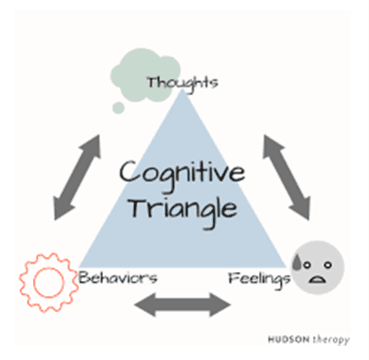
Our thoughts, feelings and behaviour are interconnected. Change or distortion in any one aspect can lead to changes in the other two. This cognitive triangle of thoughts, feelings, and behaviour creates either a negative or positive feedback loop. In depression, it often creates a negative feedback loop, starting with a distorted thinking pattern (e.g “I will fail again”), leading to feelings of hopelessness and sadness, and consequently influencing behaviours such as staying in bed, not talking, not socialising, and the vicious loop continues, making the person feel stuck. In disorders like depression or Persistent Depressive Disorder, this feedback loop is the cause behind the maintenance of the depression.
-
- Thought about Yourself – Individuals with depression interpret personal experience as evidence of their own worth, such as "I'm not enough.", or "I'm a failure"
-
- Thought about the World – They view their environment as unsupportive or hostile, such as "Everything is against me."
-
- Thought about the Future – They already see their future outcomes to be a failure and expect suffering, such as "It's never going to get better.
These three types of negative thoughts can interact with our feelings and behaviour, perpetuating the negative feedback loop and continuing the maintenance of the depressive state.
Signs of Persistent Depressive Disorder
Persistent Depressive Disorder (PDD) is often misunderstood and overlooked. Persistent Depressive Disorder often has an early onset (i.e in childhood, adolescence or early adulthood) and insidious development (i.e PDD develops slowly and gradually), leading to a chronic course. PDD develops over time due to a mix of genetics, environment, and temperamental factors. The patterns of PDD can feel deeply ingrained and sometimes not visible, but with the right professional support, recovery is possible.
Persistent Depressive Disorder symptoms can show up as:


What time shapes, time can also heal,
through patience, care, and understanding
How We Support Your PDD Treatment at Sukoon
Introducing A2R+ (Acute to Recovery Plus) Model of Recovery
At Sukoon, we've created a unique 3-phase model for residential psychiatric care. This structured, evidence-based approach ensures comprehensive treatment, a sustainable recovery and smooth reintegration of the resident back into the community.
How We Support Your PDD Treatment at Sukoon
Introducing A2R+ (Acute to Recovery Plus) Model of Recovery
At Sukoon, we've created a unique 3-phase model for residential psychiatric care. This structured, evidence-based approach ensures comprehensive treatment, a sustainable recovery and smooth reintegration of the resident back into the community.
1
Stage 1 - Acute Phase
Addressing the immediate crisis
 Urgent symptom management & stabilisation.
 - Ensuring resident safety and intensive support.
- Sets the foundation for the next phases of Persistent Depressive Disorder treatment.
2
Stage 2 - Stabilise Phase
Reducing symptoms and developing coping strategies
- Focus on self-awareness, emotional skills & interpersonal recovery
- Safe therapeutic relationships that support change
- Developing effective coping mechanisms
3
Stage 3 - Embed Phase
Preparing for long-term stability
- Focus on relapse-prevention and long-term well-being
- Build strong support systems—family, community, and aftercare
- Prepares for a successful community transition
1
Stage 1 - Acute Phase
Addressing the immediate crisis
- Urgent symptom management & stabilisation.
- Ensuring resident safety and intensive support.
- Sets the foundation for the next phases of Persistent Depressive Disorder treatment.
2
Stage 2 - Stabilise Phase
Reducing symptoms and developing coping strategies
- Focus on self-awareness, emotional skills & interpersonal recovery
- Safe therapeutic relationships that support change
- Developing effective coping mechanisms
3
Stage 3 - Embed Phase
Preparing for long-term stability
- Focus on relapse-prevention and long-term well-being
- Build strong support systems—family, community, and aftercare
- Prepares for a successful community transition
What Makes A2R+ Unique?
Science-Backed Approach
Each phase is designed to address specific needs, is grounded in neuroscience and validated by scientific research.
Science-Backed Approach
Science-Backed Approach
Each phase is designed to address specific needs, is grounded in neuroscience and validated by scientific research.
Meet Our Multidisciplinary Team
PDD requires nuanced care. Our team of mental health experts create treatment plans that support your long-term care.
Psychiatrists
Psychologists
Occupational therapists
Art Based Therapists
PSW
Clinical Advisory Board
Psychiatrists
Psychologists
Occupational therapists
Art Based Therapists
PSW
Clinical Advisory Board

Dr. Niveditha Samala
MBBS (2003), Diploma in Psychiatry Medicine (2006), MD Psychiatry (2023)Book Appointment

24 years
Our Centers that treat Persistent Depressive Disorder (Dysthymia)
Each of our mental health facilities support your recovery with spaces that offer privacy, safety and unmatched comfort.
Stories of Hope
Hear from those who walked the path of recovery from Persistent Depressive Disorder.

A
Ananya Verma
I’ve lived with Persistent Depressive Disorder for years and honestly thought nothing would help. At Sukoon, I finally felt understood. The therapists don’t just give advice; they actually listen and make you feel less alone.


Frequently Asked Questions

What do Clinical Experts say about Sukoon Health
A testament to our holistic mental health treatments
S
Green Oak Initiative
Dr. Sowmya Krishna
Consultant Psychiatrist
Inpatient Psychiatry in India is always equated to an asylum kind of care but I have seen Sukoon and met with the founders, and their vision seems to be very aligned to what a lot of our patients want and what our families want.
We are here for you
Take the first step towards recovery today.



+91 8448156500

+91 1244265238


admissions@sukoonhealth.com

Menu