











In person mental health support available in Delhi, Gurgaon, Bangalore and Hyderabad
Specialised Care To Address Persistent Depressive Disorder in Bangalore
Understand how personalised treatment plans are developed by our team of mental health experts..
Call Us
Clinically Reviewed by : Dr. Satish Ramaiah
Executive Director, Psychiatry Services, Sukoon Health
What Is PDD?
Some days look fine from the outside. Work gets done, conversations flow, routines continue. Yet something inside still feels heavy. Persistent Depressive Disorder (PDD) also known as dysthymia often begins quietly. It is steady and draining, and many describe it as living in a constant low mood that never fully lifts.
The DSM-5 defines PDD as a depressed mood that lasts for at least two years in adults, along with symptoms like low energy, sleep or appetite changes, difficulty concentrating and a persistent sense of hopelessness. It can feel like a cycle that refuses to break.
At Sukoon Health, recovery begins by understanding what keeps that cycle going and gently helping you move out of it, one step at a time.
Beck’s Model of Depression
To understand why depression feels so hard to escape, psychologist Aaron Beck developed a cognitive model known as Beck’s Model of Depression.
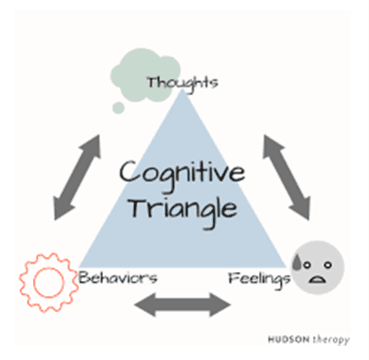
According to Beck, depression arises from negative or distorted thought patterns, which shape how we feel and behave. He identified three main types of these thoughts:
Thoughts about Yourself: Harsh self-judging thoughts, for instance, “I’m not enough” or “I’m a failure.”
Thoughts about the World: Perceiving life as unfair, thinking, “Everything is against me.”
Thoughts about the Future: Hopelessness about what’s ahead, believing, “It’s never going to get better.”
Together, these thoughts feed into each other, forming a negative loop that deepens painful emotions and keeps depression alive.
Signs of Persistent Depressive Disorder


Asking for help is an act of courage.
How We Support Your PDD Treatment at Sukoon
Introducing A2R+ (Acute to Recovery Plus) Model of Recovery
At Sukoon, we have designed a special 3-phase program for residential psychiatric care. This step-by-step approach is based on research and proven methods. It provides complete treatment, supports long-term recovery, and helps residents return smoothly to their daily lives and the community.
How We Support Your PDD Treatment at Sukoon
Introducing A2R+ (Acute to Recovery Plus) Model of Recovery
At Sukoon, we have designed a special 3-phase program for residential psychiatric care. This step-by-step approach is based on research and proven methods. It provides complete treatment, supports long-term recovery, and helps residents return smoothly to their daily lives and the community.
1
Stage 1 Acute Phase
Addressing the immediate crisis
 Urgent symptom management & stabilisation.
 - Ensuring patient safety and intensive support.
- Sets the foundation for the next phases of Persistent Depressive Disorder treatment.
2
Stage 2 - Stabilise Phase
Reducing symptoms and developing coping strategies
- Focus on self-awareness, emotional skills & interpersonal recovery
- Safe therapeutic relationships that support change
- Developing effective coping mechanisms to recognise symptoms and deal with them independently.
3
Stage 3 - Embed Phase
Preparing for long-term stability
- Focus on relapse-prevention and long-term well-being
- Build strong support systems- family, community, and aftercare
- Prepares for a successful community transition
1
Stage 1 Acute Phase
Addressing the immediate crisis
- Urgent symptom management & stabilisation.
- Ensuring patient safety and intensive support.
- Sets the foundation for the next phases of Persistent Depressive Disorder treatment.
2
Stage 2 - Stabilise Phase
Reducing symptoms and developing coping strategies
- Focus on self-awareness, emotional skills & interpersonal recovery
- Safe therapeutic relationships that support change
- Developing effective coping mechanisms to recognise symptoms and deal with them independently.
3
Stage 3 - Embed Phase
Preparing for long-term stability
- Focus on relapse-prevention and long-term well-being
- Build strong support systems- family, community, and aftercare
- Prepares for a successful community transition
What Makes the A2R+ Approach Unique?

Science-Backed Approach
Each phase is designed to address specific needs, is grounded in neuroscience and validated by scientific research.

Science-Backed Approach


Science-Backed Approach
Each phase is designed to address specific needs, is grounded in neuroscience and validated by scientific research.
Meet Our Multidisciplinary Team
Led by experienced specialists in Bangalore, we offer personalised Persistent Depressive Disorder recovery services at our Sukoon Psychiatric Centre in Bangalore.
Psychiatrists
Psychologists
PSW
Psychiatrists
Psychologists
PSW
Stories Of Hope
Hear from those who walked the path of recovery for Persistent Depressive Disorder.

N
Neha Salgaonkar
“No amount of sleep could fix my tiredness. I thought it was just part of my personality. At Sukoon, I learned that this ongoing exhaustion was actually a symptom of Persistent Depressive Disorder. The therapists helped me see patterns I had been ignoring for years.


Frequently Asked Questions

What do Clinical Experts say about Sukoon Health
A testament to our holistic mental health treatments
S
Green Oak Initiative
Dr. Sowmya Krishna
Consultant Psychiatrist
Inpatient Psychiatry in India is always equated to an asylum kind of care but I have seen Sukoon and met with the founders, and their vision seems to be very aligned to what a lot of our patients want and what our families want.
Find us
Visit our facility for in-person consultations and care.
We are here for you
Take the first step towards recovery today.



+91 8448156500

+91 1244265238


admissions@sukoonhealth.com

Menu